Yangtze River

The Yangtze River is the longest river in China and one of the most famous waterways in the world. Stretching approximately 6,300 kilometers (3,915 miles), it ranks as the third-longest river globally, following the Nile and the Amazon. Flowing from western China to the East China Sea, the Yangtze River has played a vital role in shaping China’s history, economy, and culture for thousands of years.

Originating from glaciers in the Tanggula Mountains on the Qinghai-Tibet Plateau, the river travels eastward across vast regions of China before emptying into the sea at Shanghai.

Basic Facts About the Yangtze River

  • Chinese Name: 长江 (Changjiang)

  • Other Names: Yangtze, Yangtze Kiang

  • Length: 6,300 km (3,915 miles)

  • Source: Glaciers near Geladandong Peak, Tanggula Range

  • Source Elevation: About 5,042 meters (16,542 feet)

  • Ending Point: East China Sea, Shanghai

Geographic and Cultural Importance

As China’s largest river system, the Yangtze River crosses 11 provinces and municipalities, including Qinghai, Tibet, Sichuan, Chongqing, Hubei, Jiangsu, and Shanghai. Along its course, it connects inland regions with coastal areas, making it a crucial transportation and economic corridor.

Traditionally, the river is regarded as a natural boundary between northern and southern China. Regions on either side differ noticeably in climate, agricultural products, lifestyles, and cultural traditions.

Tributaries and Major Engineering Projects

The Yangtze River is fed by many important tributaries, such as the Min River, Han River, Jialing River, Gan River, and Huangpu River. Together, they form the most extensive river network in China.

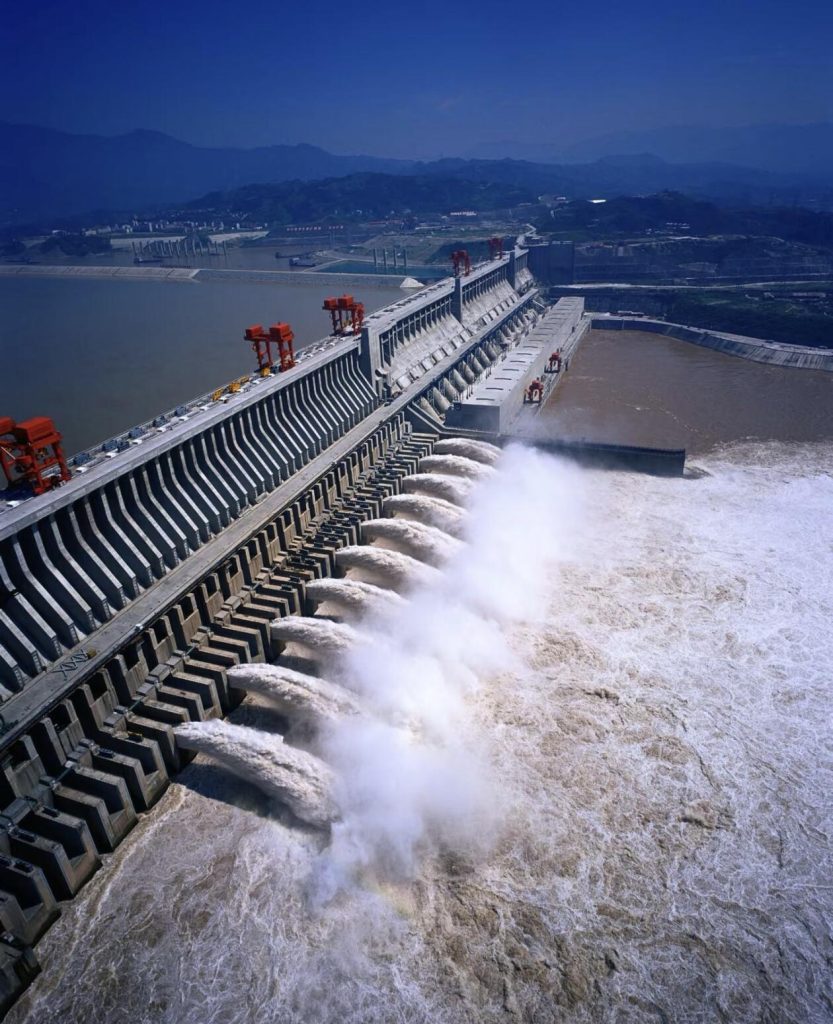
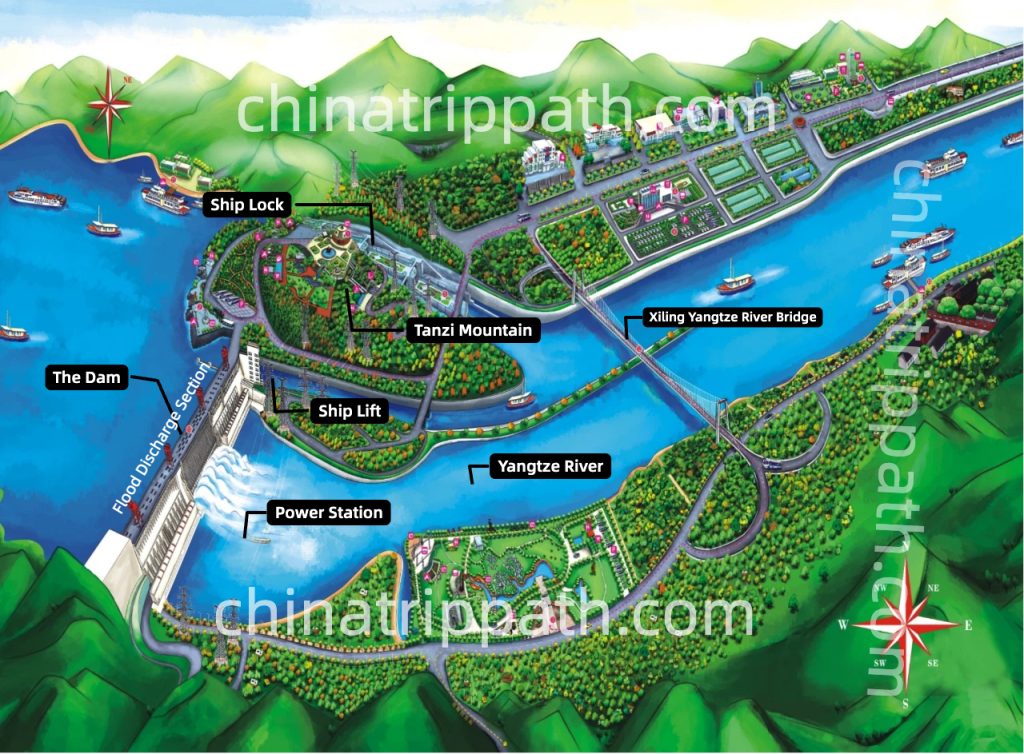
One of the most significant landmarks along the river is the Three Gorges Dam, currently the world’s largest hydropower project. It plays a key role in flood control, electricity generation, and river navigation.

Three Gorges Dam

Yangtze River Cruises

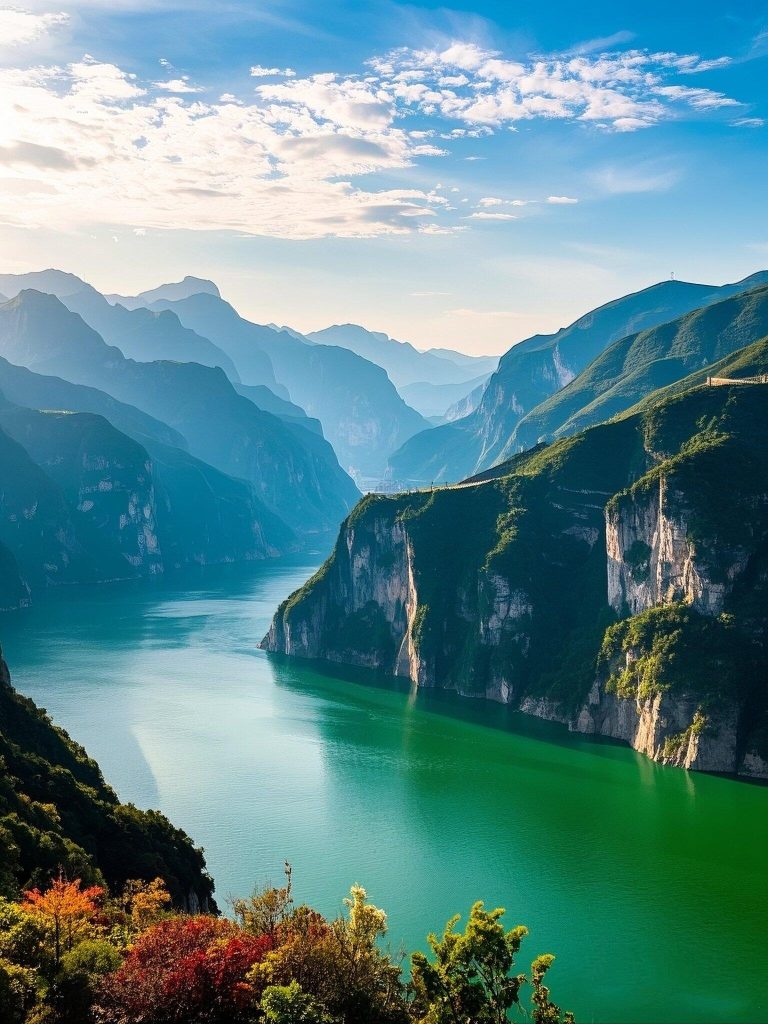
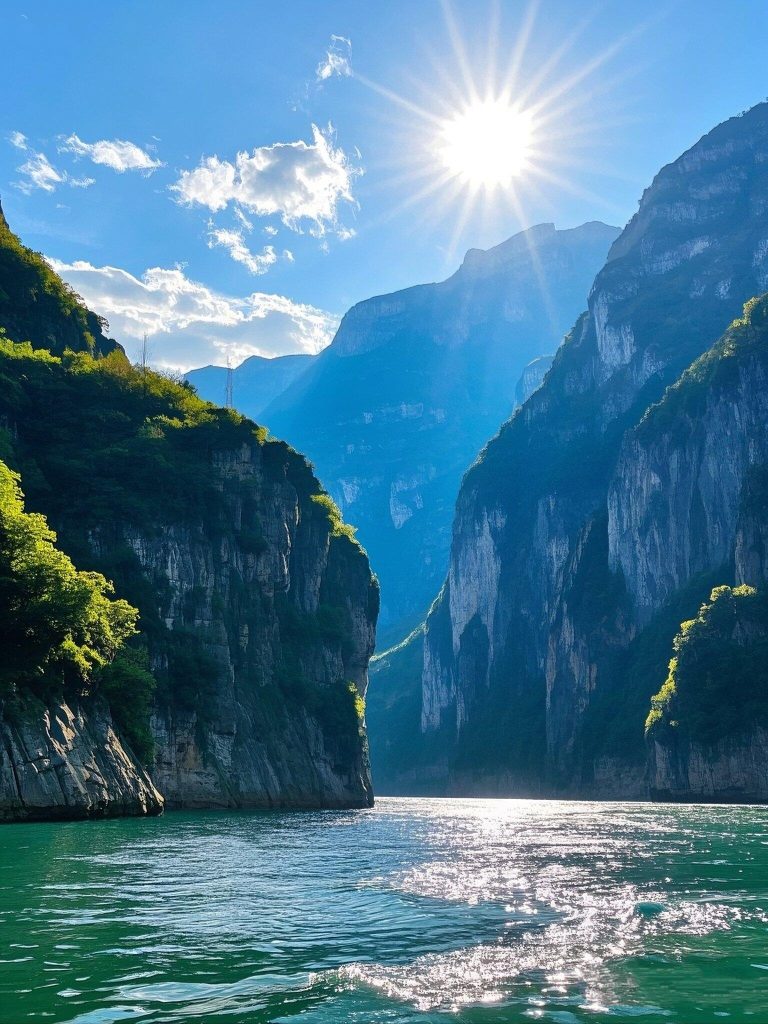
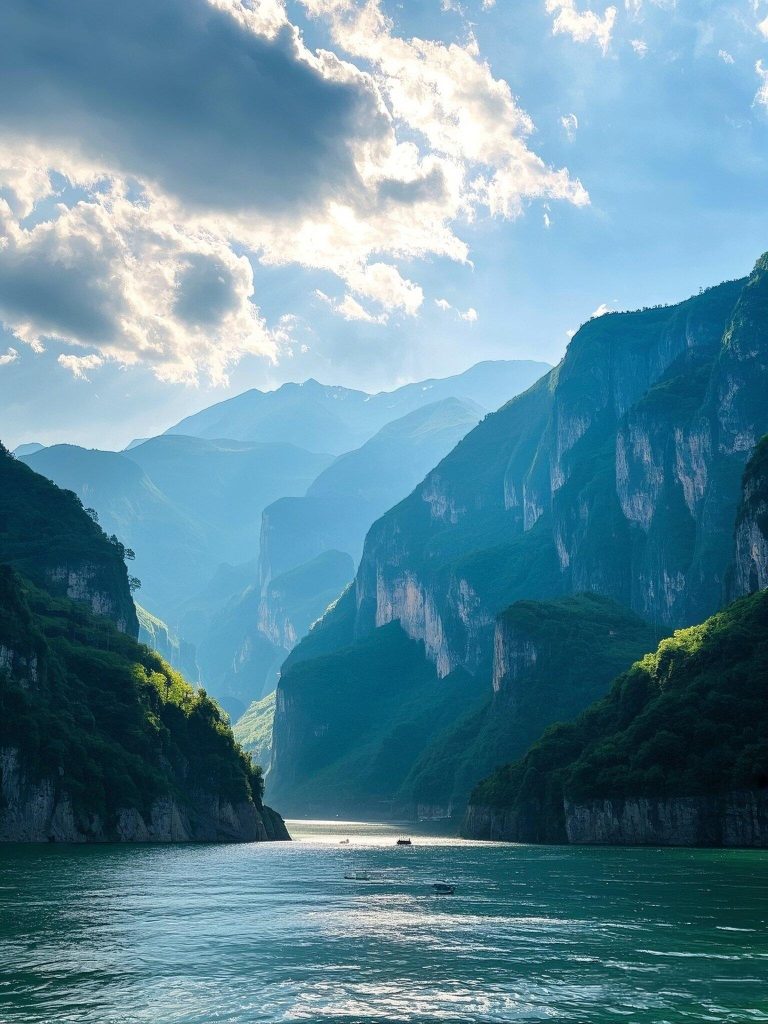
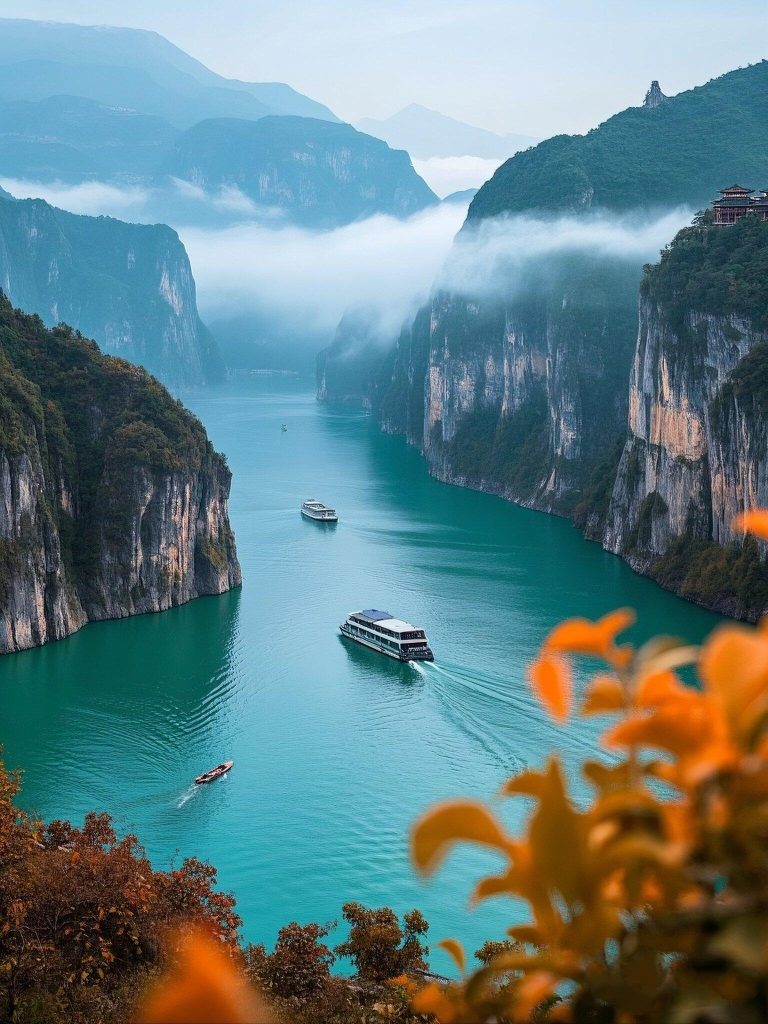
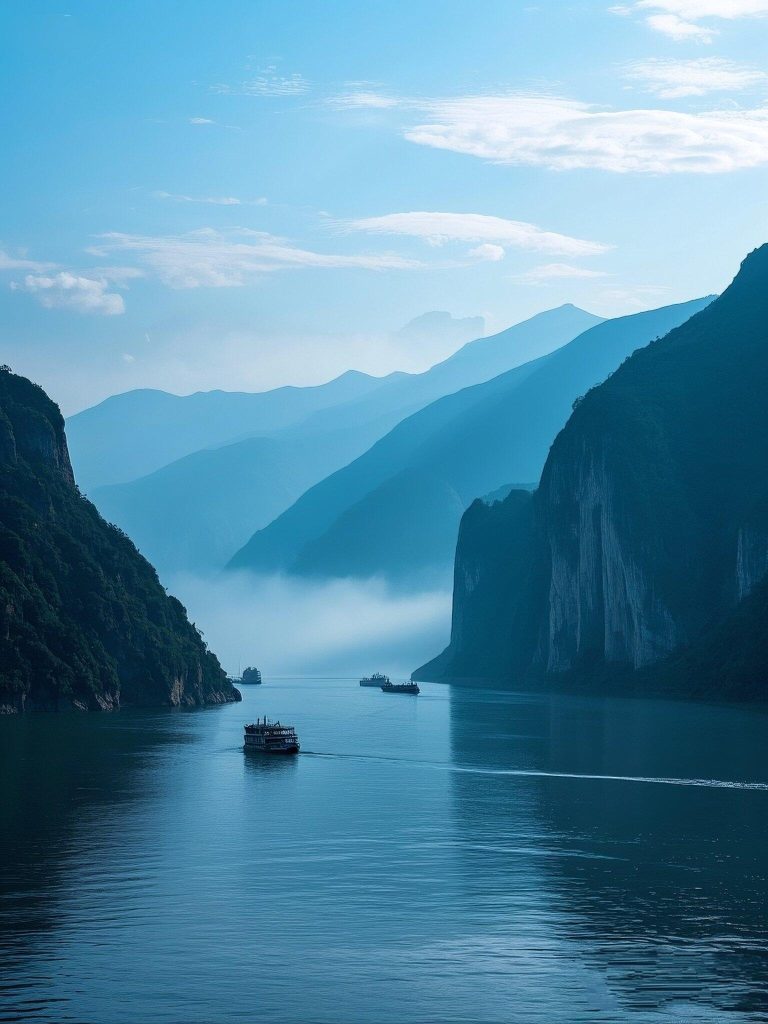
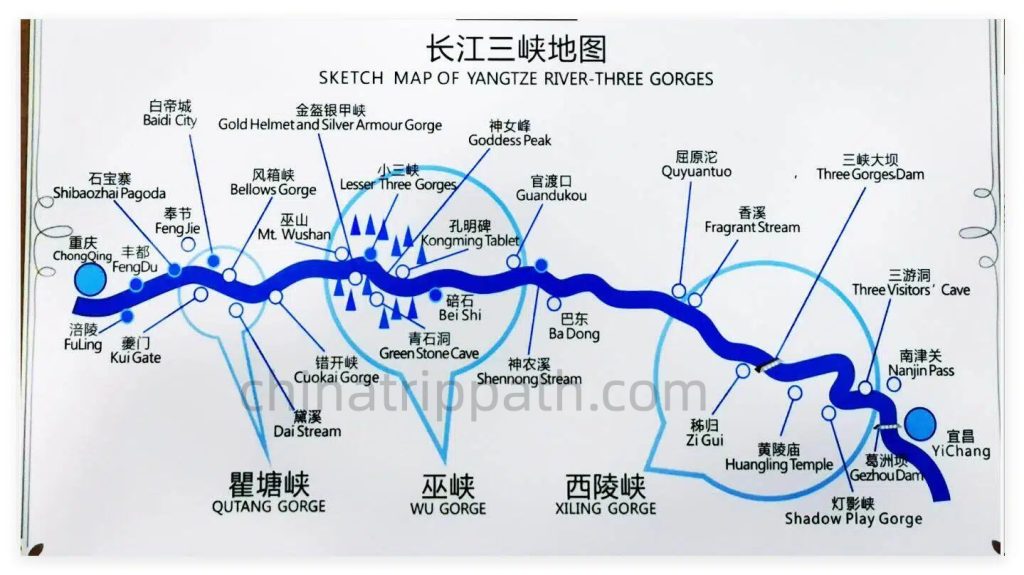
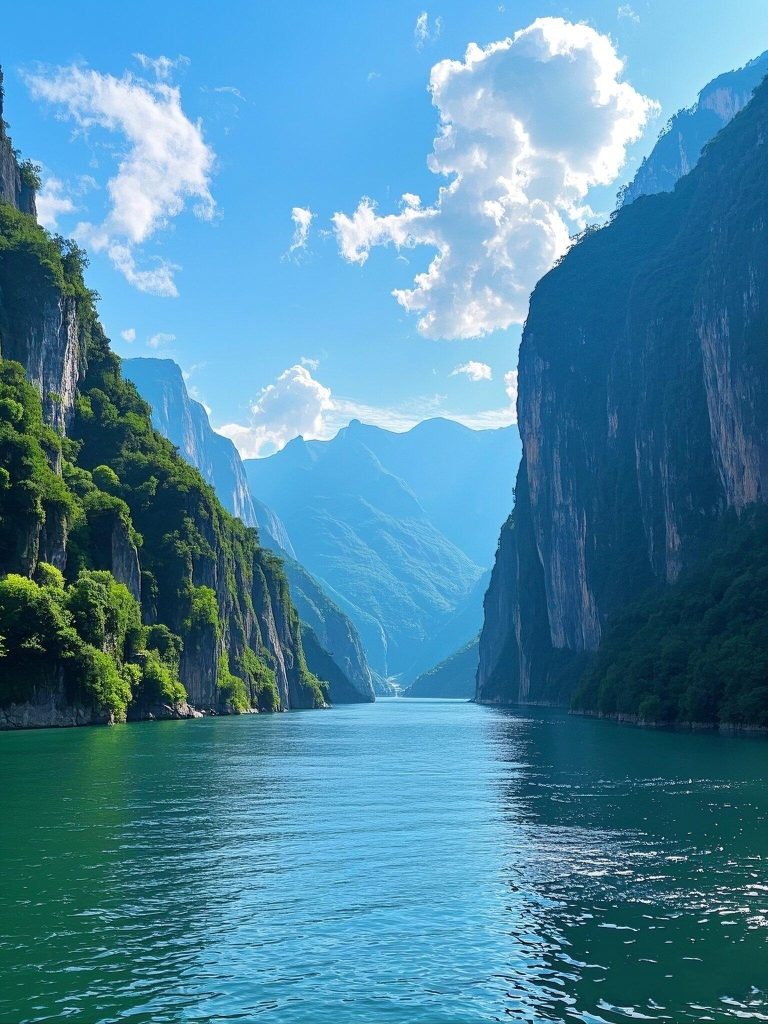
A cruise along the Yangtze River is considered one of the best ways to experience China’s dramatic natural scenery. Most cruises operate between Chongqing and Yichang, passing through the breathtaking Three Gorges—Qutang Gorge, Wu Gorge, and Xiling Gorge.

During the journey, travelers can explore historical towns, ancient temples, and engineering wonders while enjoying comfortable onboard facilities.

Major Attractions Along the Yangtze River

The river is home to numerous well-known attractions, including:

  • Three Gorges Scenic Area

  • Three Gorges Dam

  • Fengdu Ghost City

  • Shibaozhai Pagoda

  • Shennong Stream

  • Gezhouba Dam

  • Wuhan Yangtze River Bridge

These sites showcase both the natural beauty and the cultural heritage of the Yangtze River basin.

Yangtze River and Chinese Civilization

Like many great rivers around the world, the Yangtze River has nurtured rich and diverse civilizations. Ancient settlements, farming communities, and trading centers developed along its banks, leaving behind valuable cultural relics and traditions.

Over time, the river has influenced Chinese agriculture, craftsmanship, folklore, and regional customs, especially in southern China.

What Is the Best Time to Visit the Yangtze River?

The most popular cruising section between Chongqing and Yichang experiences a subtropical monsoon climate. Summers are hot and humid, while winters are cool and damp.

The best seasons to visit the Yangtze River are spring (April–May) and autumn (September–October), when temperatures are mild and visibility is excellent for sightseeing.

Practical Travel Tips

Visitors planning a Yangtze River trip should consider cruise duration, cabin types, seasonal weather, and shore excursion options. First-time travelers are advised to book well-established cruise operators to ensure safety and service quality.

Maps, travel tips, and detailed cruise information can help travelers plan a smoother and more enjoyable journey.

yangtze river-three-gorges
three-gorges-dam
Related Rivers in China

If you are interested in China’s great rivers, you may also explore:

  • The Yellow River

  • The Yarlung Tsangpo River

  • The Huangpu River

Each river offers unique landscapes and cultural experiences.