Culture of Silk Road

For more than a millennium, the Silk Road served as a vital channel connecting civilizations across Asia and Europe. From the 2nd century BC to the 15th century AD, continuous contact among China, India, Persia, Greece, and Rome fostered profound cultural interaction. Beyond trade, this ancient route functioned as a bridge through which beliefs, knowledge, and lifestyles were shared between East and West.

Religions Introduced into China via the Silk Road

Alongside merchants and diplomats, religious ideas traveled eastward through the Silk Road, enriching China’s spiritual landscape. Several major religions entered China through this route and left lasting influences.

Buddhism

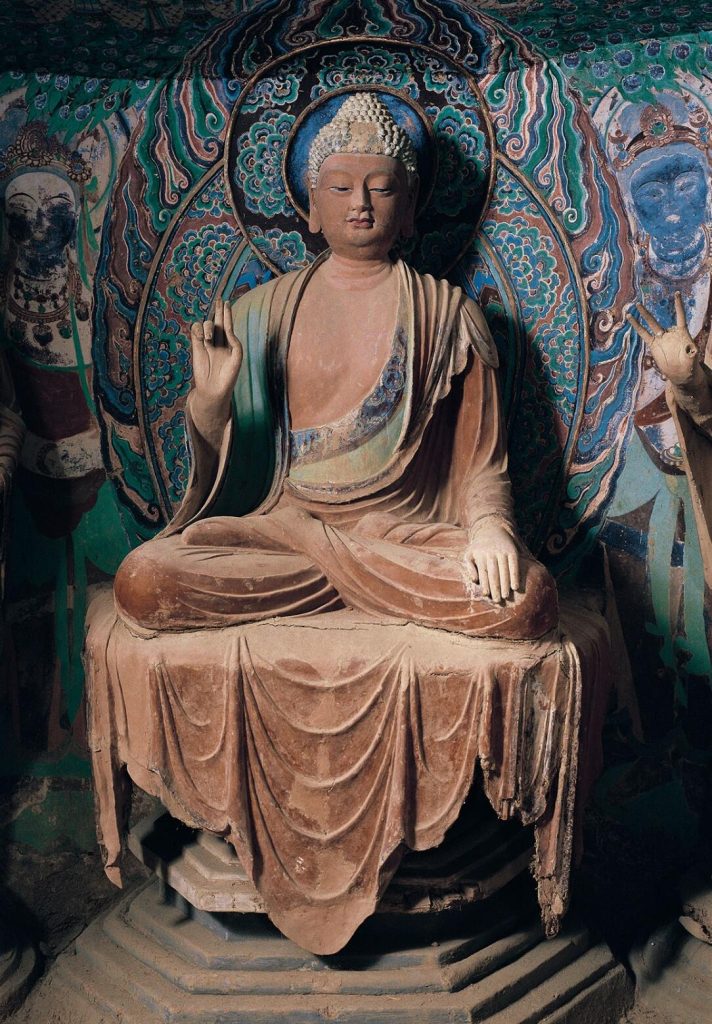
Buddhism first reached the Western Regions of China in the 1st century BC and gradually spread inland during the Eastern Han Dynasty. Over centuries, devoted monks journeyed to India to study sacred texts and brought Buddhist teachings back to China, contributing to its deep integration into Chinese culture.

Buddha Statue in Mogao Caves, Dunhuang

Zoroastrianism

Originating in ancient Persia, Zoroastrianism arrived in western China before the Common Era. It flourished during the Southern and Northern Dynasties and the Tang Dynasty, before gradually declining after the Song Dynasty.

Manicheism and Nestorianism

Manicheism, a synthesis of multiple religious traditions, gained popularity among ordinary people despite official prohibitions. Nestorian Christianity entered China in the 7th century and was once supported by the Tang court, though its influence diminished in later dynasties.

Islam

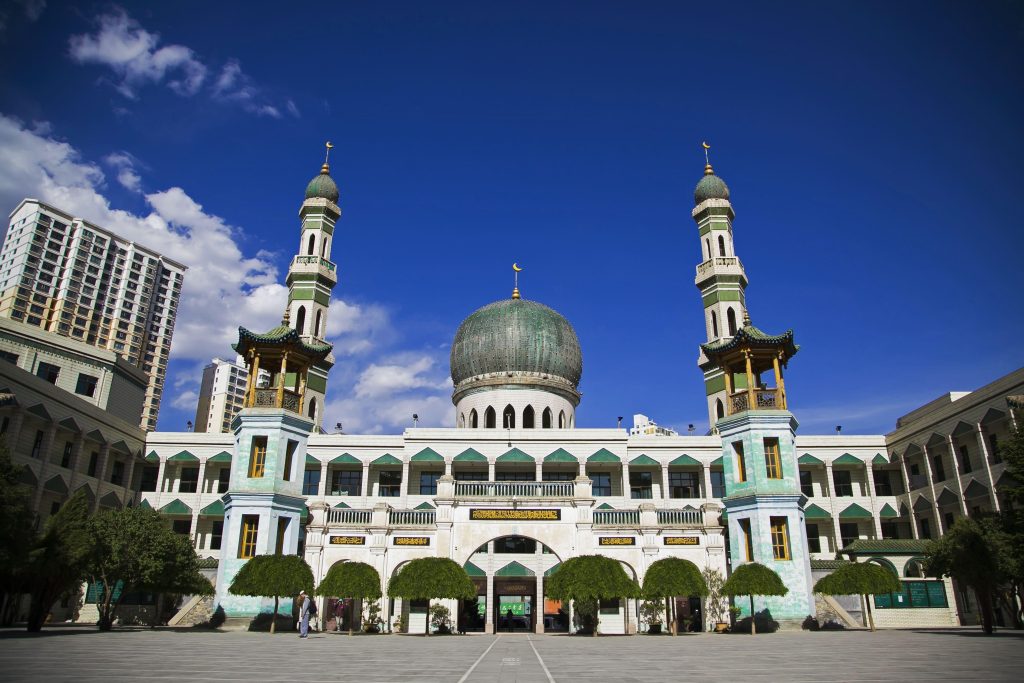
From the 7th century onward, Muslim traders and travelers introduced Islam to China through both land and maritime routes. Islamic communities formed in coastal and inland cities, shaping local customs and religious life.

Xining Dongguan Great Mosque

Chinese Technologies Transmitted to the West

Cultural exchange along the Silk Road was not one-directional. China contributed significantly to world civilization by sharing advanced technologies and craftsmanship.

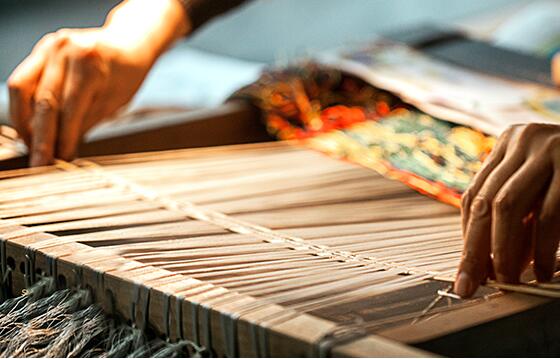
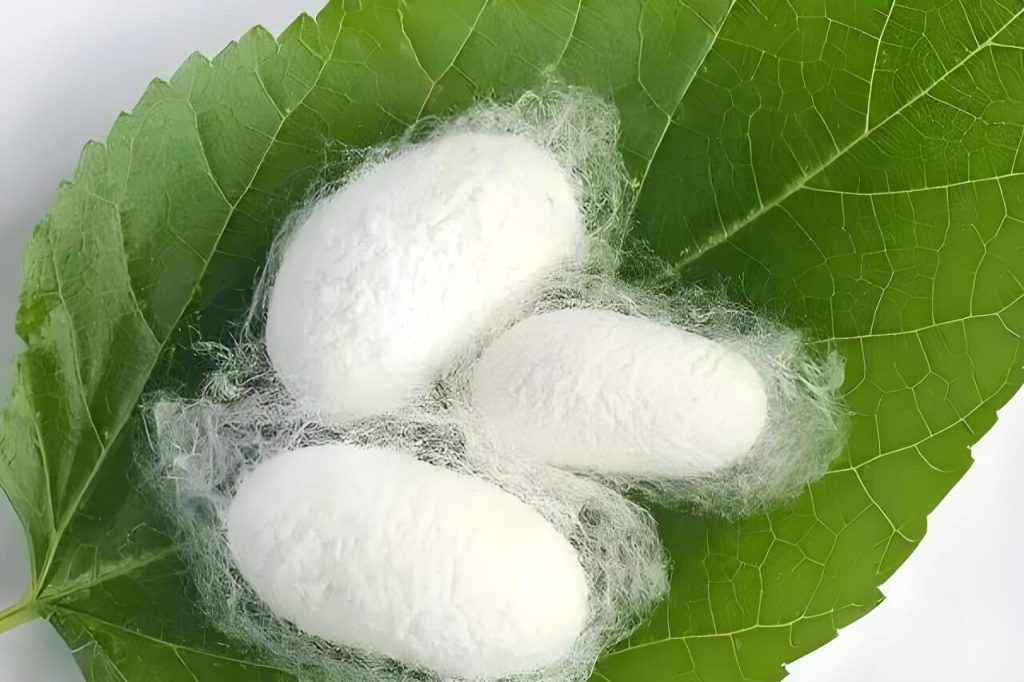
Innovations such as papermaking, printing, gunpowder, and the compass gradually reached Central Asia and Europe, accelerating social and scientific development. Techniques related to silk production were closely guarded for centuries, yet eventually spread westward and transformed textile industries abroad.

Beyond technology, artistic expressions including music, dance, and instruments from Central and West Asia entered China, while Chinese porcelain, lacquerware, and agricultural products traveled in the opposite direction. This mutual exchange enriched daily life across regions connected by the Silk Road.

Through centuries of interaction, the Silk Road became far more than a trade route. It stood as a dynamic network of cultural transmission, enabling civilizations to learn from one another and progress together.

Silk weaving
Silkworm Cocoon