Basic Information

  • Chinese Name: 丝绸之路

  • Pinyin: Sī Chóu Zhī Lù

  • English Name: Silk Road

  • Total Length: About 7,000 km (4,350 miles)

  • Active Period: 2nd century BC – 15th century

  • Regions Covered: China, Central Asia, the Middle East, and Europe

What Is the Silk Road?

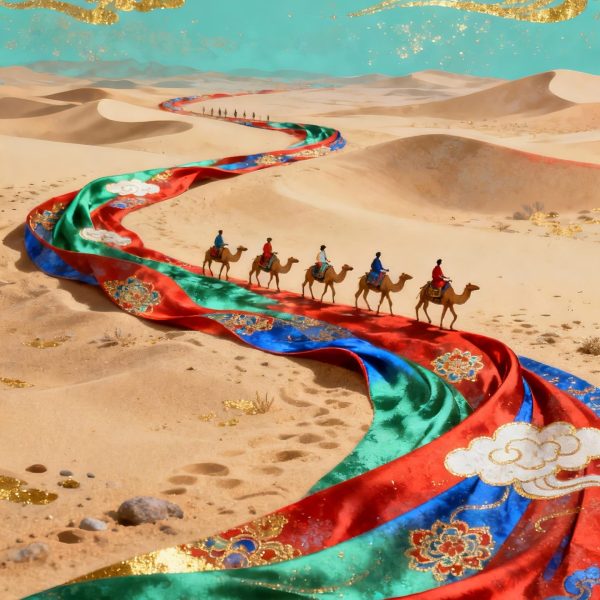
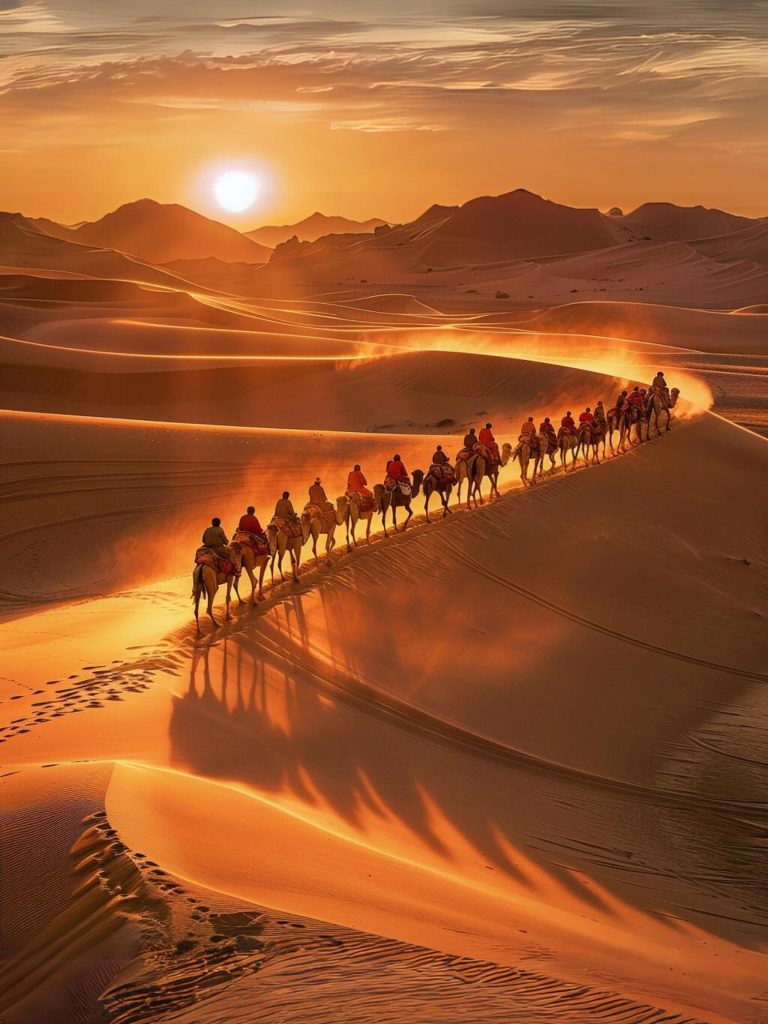
The Silk Road was an ancient international trade network linking China with Central Asia, the Middle East, and Europe. It played a crucial role in the exchange of goods, culture, technology, and ideas between East and West for more than a thousand years.

Silk Road

Why Is It Called the “Silk Road”?

The route was named after silk, one of China’s most valuable exports in ancient times. Chinese silk was highly prized by European nobility, symbolizing wealth and status, and became the most representative commodity traded along this route.

Silk Road

When Was the Silk Road Active?

The Silk Road was most active from the 2nd century BC to the 1st century AD, with continued use through the Han, Tang, and Yuan dynasties. Its influence gradually declined after the rise of maritime trade routes.

How Long Is the Silk Road?

The Silk Road stretched approximately 7,000 kilometers (4,350 miles) in total. About 4,000 kilometers of the route lie within China, making it the core section of the network.

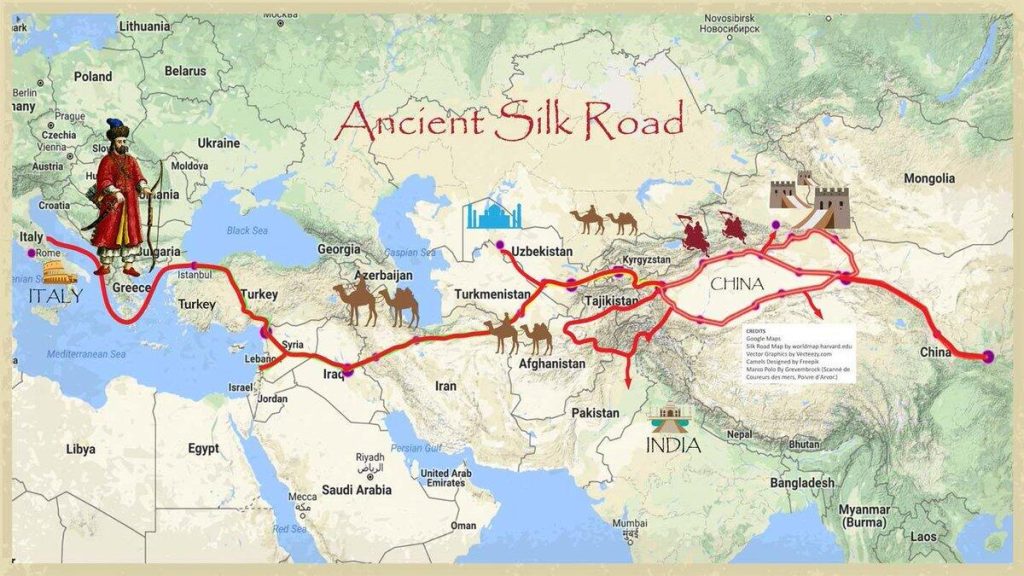
Silk Road Map

Where Did the Silk Road Start and End?

The eastern starting point was Chang’an (modern Xi’an) in China. From there, the route extended westward through Central Asia and reached as far as the Mediterranean region, including present-day Turkey, Greece, and Italy.

Which Regions in China Did the Silk Road Pass Through?

Within China, the Silk Road crossed several key regions:

  • Shaanxi

  • Gansu

  • Qinghai

  • Xinjiang

These areas served as vital hubs for trade, diplomacy, and cultural exchange.

What Goods Were Traded Along the Silk Road?

In addition to silk, traders transported:

  • Porcelain

  • Tea

  • Spices

  • Jade

  • Precious metals

The route also enabled the spread of technologies, religions, and artistic styles.

What Role Did the Silk Road Play in Cultural Exchange?

The Silk Road was more than a trade route—it was a cultural bridge. Buddhism entered China through this network, while Chinese inventions such as papermaking spread westward. Diverse religions, customs, and artistic traditions flourished along the route.

What Are the Most Famous Attractions Along the Silk Road?

Some of the most popular sites include:

  • Terracotta Army in Xi’an

  • Mogao Caves in Dunhuang

  • Jiayuguan Pass of the Great Wall

  • Kashgar Bazaar

  • Heavenly Lake in Xinjiang

These landmarks reflect the route’s rich historical and cultural legacy.

Is the Silk Road Still Worth Visiting?

Yes. Traveling along the Silk Road offers a unique journey through ancient cities, desert landscapes, ethnic cultures, and world-class historical sites, making it one of the most meaningful travel routes in China.