
Forbidden City (Palace Museum)
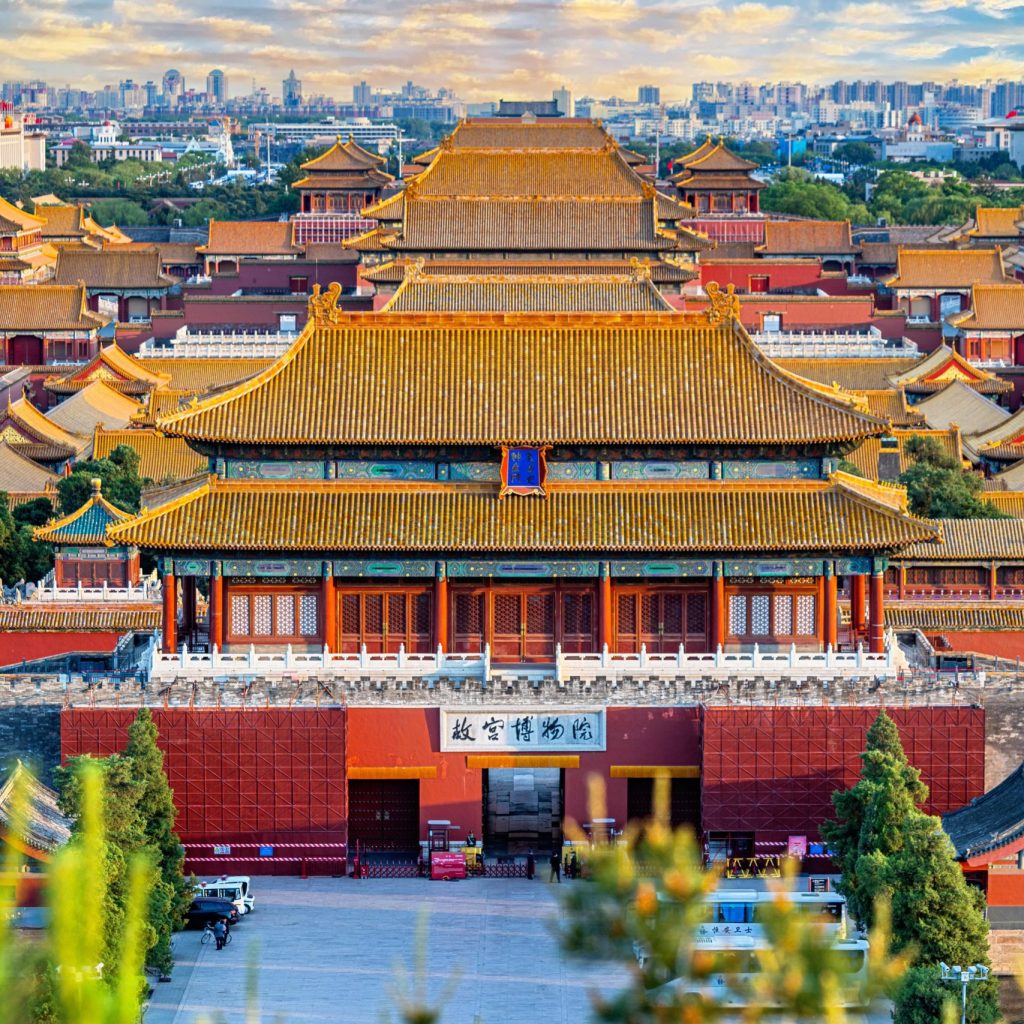
The Forbidden City, also known as the Imperial Palace or Palace Museum, is located in the heart of Beijing. It served as the imperial residence for 24 emperors of the Ming and Qing dynasties. Covering around 720,000 square meters (72 hectares), it was constructed between 1406 and 1420.
Historical Background
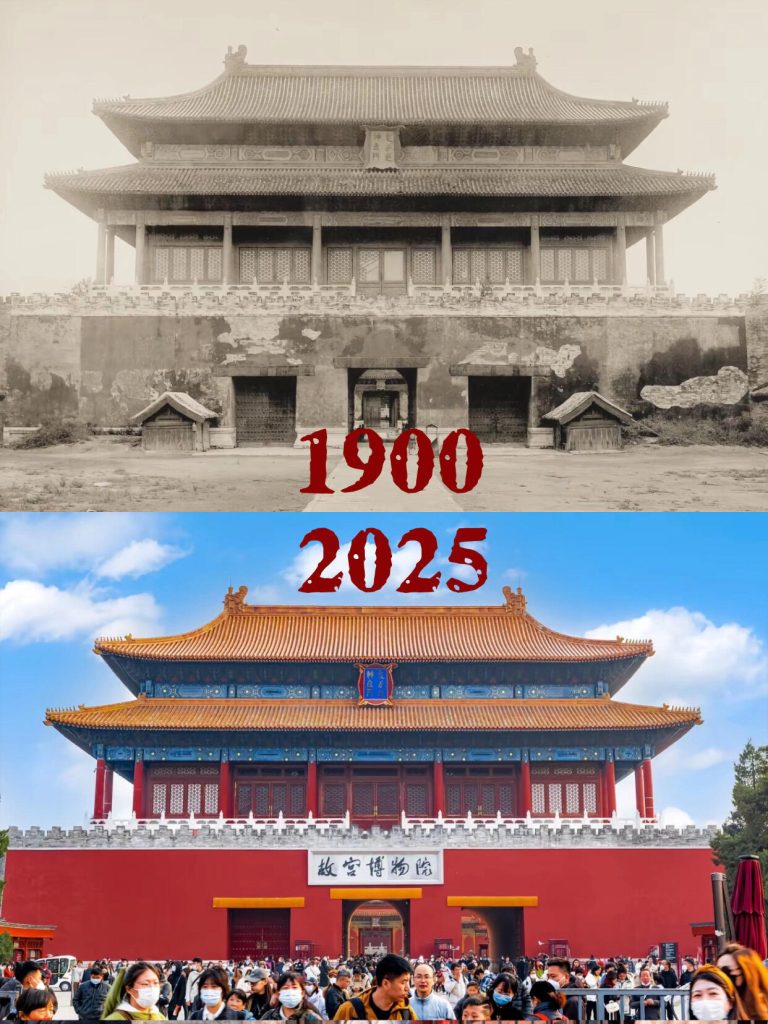
Construction began in 1406 under Emperor Yongle of the Ming dynasty and was completed by 1420, after which Beijing became the imperial capital. From then until the fall of the Qing dynasty in 1911, the Forbidden City was the political and residential center for emperors, housing 14 Ming and 10 Qing emperors. In 1925, the palace was converted into a museum open to the public, transitioning from “Forbidden City” to Palace Museum, marking a significant historical shift.
Architecture and Layout
The Forbidden City extends 961 meters north–south and 753 meters east–west, with a total built-up area of 150,000 square meters. Its 10-meter-high walls and 52-meter-wide moat enclose the complex. Four corner towers and symmetrical gates emphasize its imperial grandeur.
Outer Court
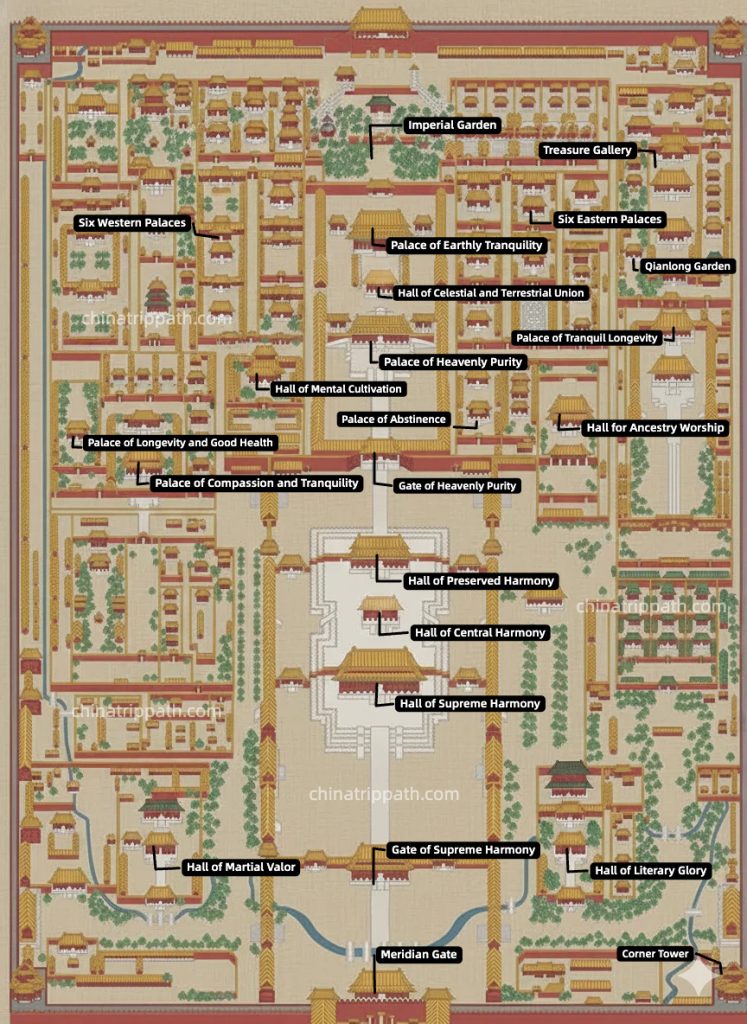
The southern section, known as the Outer Court, was used for state ceremonies and official affairs, featuring the Hall of Supreme Harmony, Hall of Central Harmony, and Hall of Preserving Harmony.
Inner Court
The northern section, or Inner Court, was the residential area for the emperor, empress, concubines, and court officials, including the Palace of Heavenly Purity, Hall of Union, Palace of Earthly Tranquility, and the Six Eastern and Western Palaces.
How to Tour the Forbidden City
Visiting time: A tour of the central axis usually takes 2–4 hours. To explore side palaces in detail, plan for a full day.
Recommended route (central axis): Meridian Gate → Gate of Supreme Harmony → Hall of Supreme Harmony → Hall of Central Harmony → Hall of Preserving Harmony → Palace of Heavenly Purity → Hall of Union → Palace of Earthly Tranquility → Imperial Garden → Gate of Divine Might.
Visitor guidance: Tours are one-way, entering from the Meridian Gate and exiting via Gate of Divine Might or East Glorious Gate.
How to Get to the Forbidden City
Subway: Take Line 1 to Tian’anmen East or Tian’anmen West Station (Exit B), then walk about 500 meters to the Meridian Gate.
Bus: Routes 1, 2, 52, 82, 120 or sightseeing buses Line 1/2 stop at Tian’anmen East/West.
After visiting: From the Gate of Divine Might, take buses 58, 101, 103, 109, 124, 128 to Jingshan Park for panoramic views, or walk from East Glorious Gate to Wangfujing shopping area.
How to Buy Forbidden City Tickets
Daily Visitor Limit: The Forbidden City limits visitors to 40,000 per day. During peak travel periods, such as Labor Day (May 1–5), National Day (October 1–7), and summer vacation (July–August), the ticket quota may be increased by approximately 25% depending on demand.
Advance Online Purchase Required: All visitors must buy electronic tickets in advance. Tickets can be purchased via the official Palace Museum website (English version), the WeChat Mini Program (Chinese only), or through travel agencies offering English services.
Ticket Release Schedule: Tickets are released seven days in advance from 8:00 PM to 9:00 PM. Due to high demand, it is recommended to purchase as early as possible. To ensure tickets do not affect your travel plans, consulting a travel agency can be helpful.
Identification Requirements: Foreign visitors must present a passport when purchasing tickets. Visitors from Mainland China, Hong Kong, Macau, and Taiwan must show a valid ID card. Each person is limited to one ticket per day.
Entry Procedure: At the entrance, visitors show their passport or ID; no paper tickets are required.