Qin Dynasty (221–207 BC) was the first unified and highly centralized empire in Chinese history. Although it lasted for only 15 years, the Qin Dynasty played a crucial role in shaping China’s political system and left a lasting influence on later dynasties.
The dynasty was ruled by only two emperors. The first was Ying Zheng, known as Emperor Qin Shi Huang, the first emperor of China. His reign marked the beginning of imperial rule in China. After his death, his son Hu Hai succeeded him, but widespread uprisings soon led to the fall of the dynasty.
Political History of the Qin Dynasty
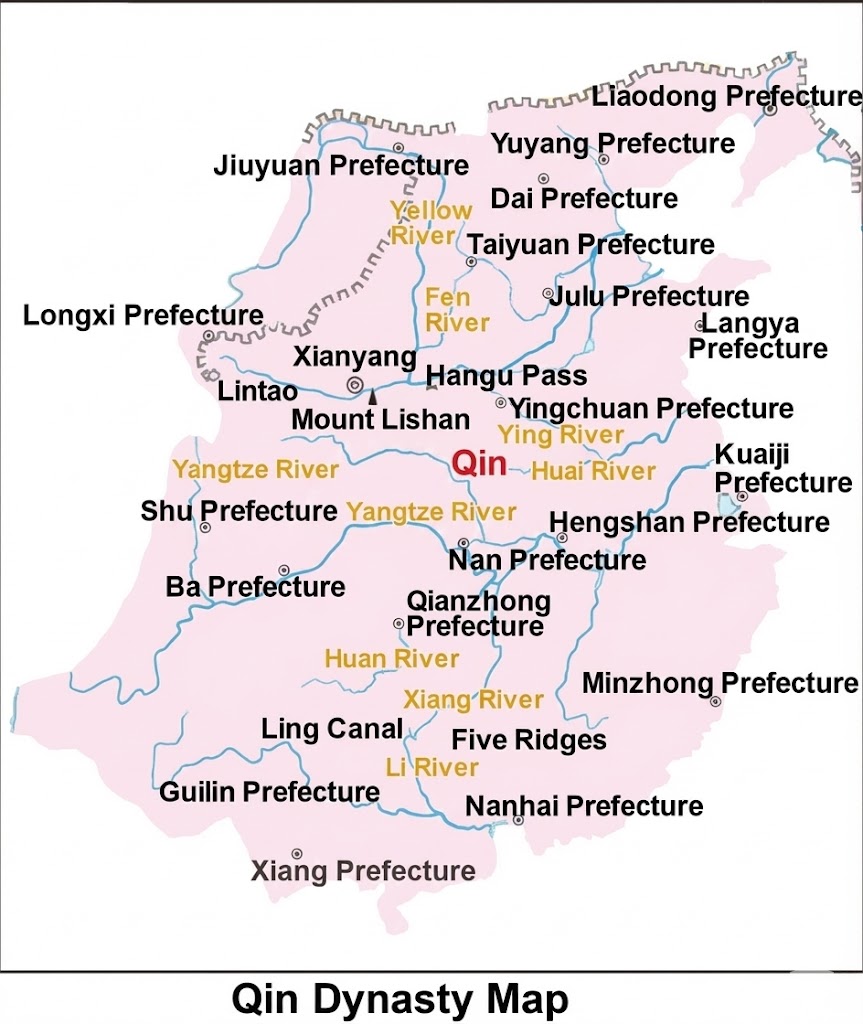
During the late Warring States Period (476–221 BC), the State of Qin gradually became the strongest among rival states. Between 230 BC and 221 BC, Ying Zheng conquered the six other major states — Han, Zhao, Wei, Yan, Chu, and Qi — ending more than 500 years of warfare and division.
After unifying China in 221 BC, he established a centralized imperial government and made Xianyang, in today’s Shaanxi Province, the capital of the Qin Empire. This marked the beginning of a new political era based on absolute imperial authority.
However, in the later years of his reign, Emperor Qin Shi Huang ruled with increasing cruelty. Heavy taxes, harsh laws, and forced labor caused widespread dissatisfaction among the people. After his death, the weak and incompetent rule of Hu Hai triggered major peasant uprisings led by Chen Sheng and Wu Guang, followed by powerful forces under Xiang Yu and Liu Bang. In 207 BC, the Qin Dynasty officially came to an end.
Soon after, the Chu–Han War broke out between Xiang Yu and Liu Bang. The conflict lasted four years and ended with Liu Bang’s victory, leading to the establishment of the Western Han Dynasty.
Major Reforms Under Emperor Qin Shi Huang
To strengthen national unity and maintain imperial control, Emperor Qin Shi Huang implemented a series of far-reaching reforms in politics, economy, military affairs, and culture.
Political Reforms: He established the emperor system, concentrating all state power in the hands of the ruler. The feudal system was abolished and replaced with a centralized administrative structure.
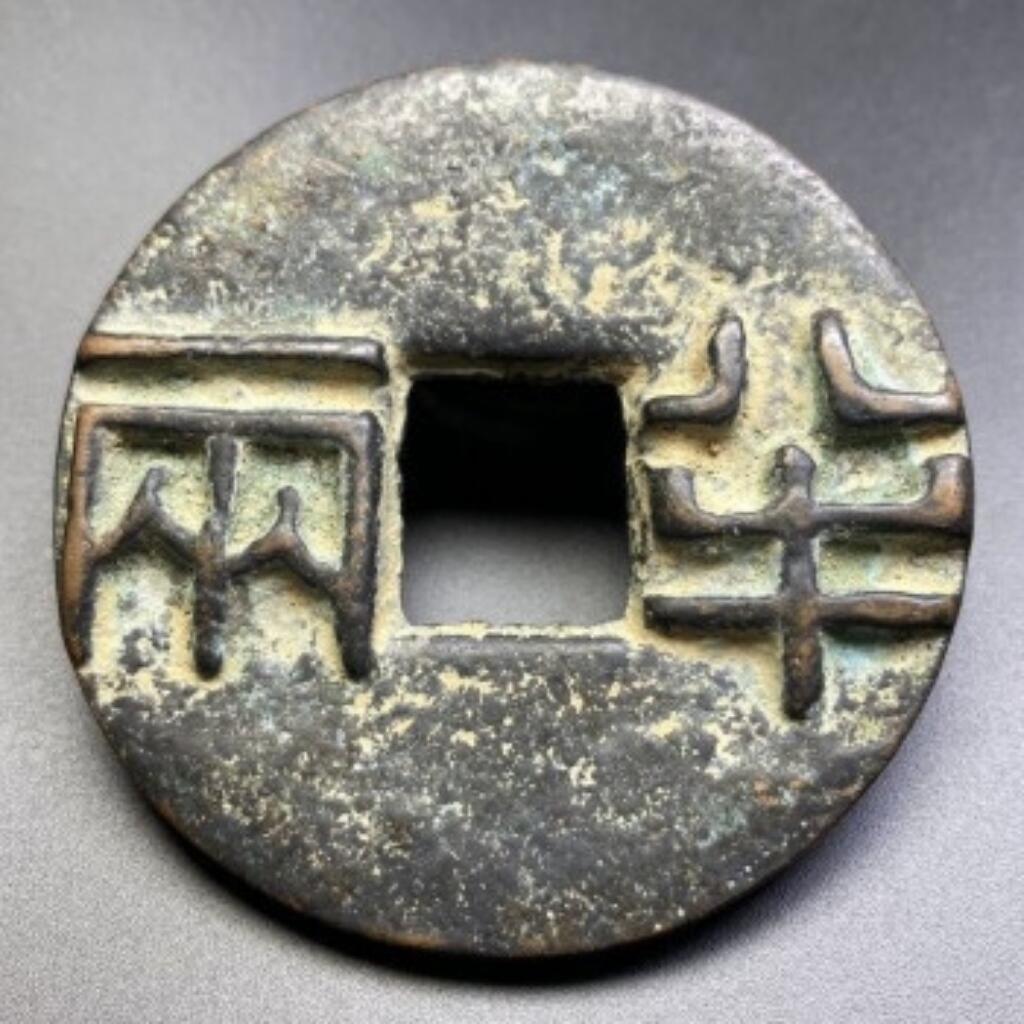
Economic Reforms: Weights, measures, and currency were standardized. The Ban Liang coin became the official currency of the empire.
Cultural Reforms: Written characters were unified, with Small Seal Script (Qin Script) adopted as the standard form of writing.
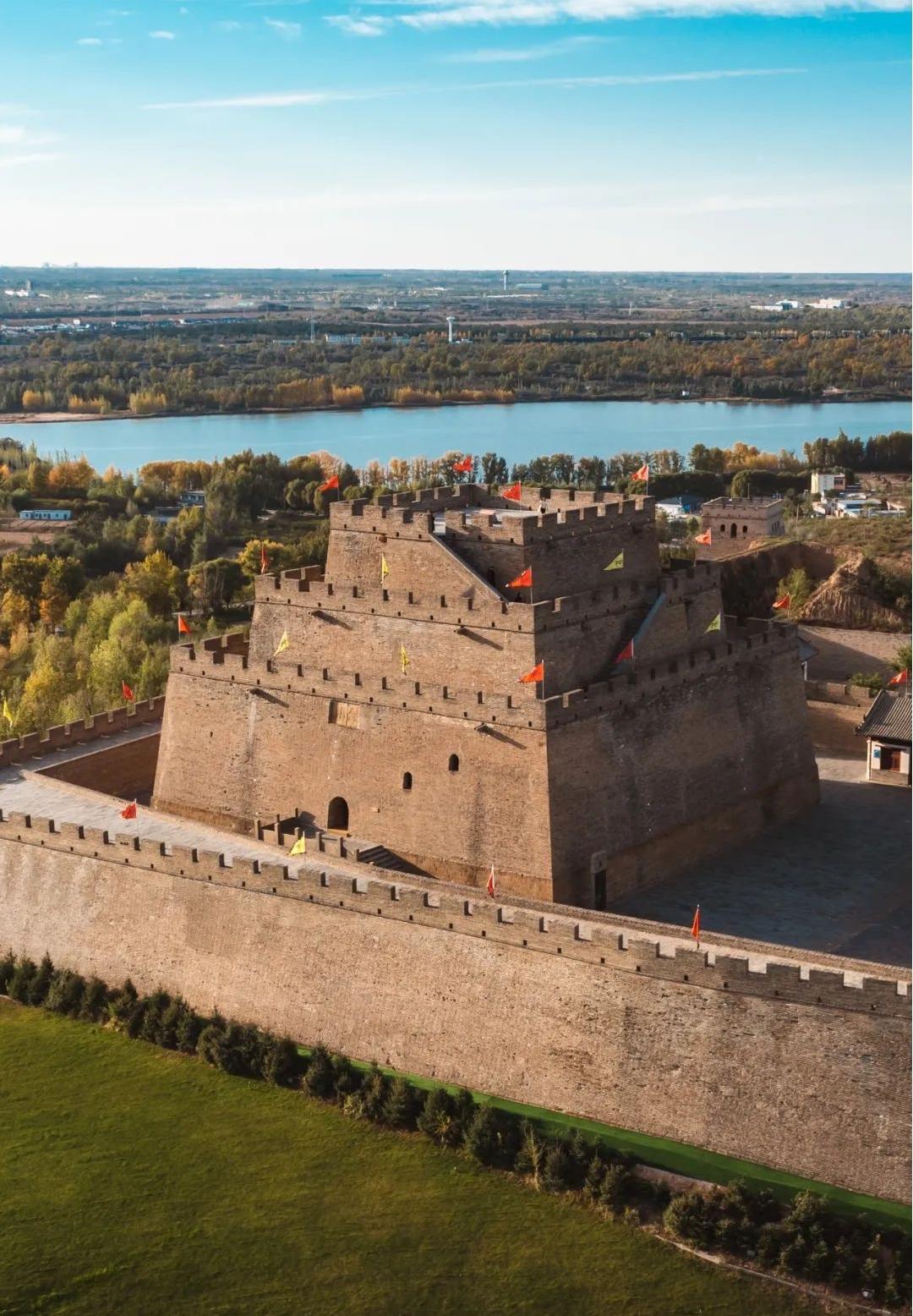
Infrastructure Projects: Large-scale road construction, irrigation systems, and early sections of the Great Wall were built to improve transportation, defense, and agricultural productivity.
These reforms greatly promoted economic development and laid the foundation for a unified Chinese civilization.
Achievements and Controversies
Despite his historical achievements, Emperor Qin Shi Huang is often remembered as a tyrant. In an effort to control thought and suppress dissent, he ordered the infamous events known as “Burning the Books and Burying the Scholars Alive.” At the same time, massive construction projects — including the Terracotta Army, imperial palaces, and his own mausoleum — placed enormous burdens on the population through forced labor and heavy taxation.
Achievements and Controversies
Despite his historical achievements, Emperor Qin Shi Huang is often remembered as a tyrant. In an effort to control thought and suppress dissent, he ordered the infamous events known as “Burning the Books and Burying the Scholars Alive.” At the same time, massive construction projects — including the Terracotta Army, imperial palaces, and his own mausoleum — placed enormous burdens on the population through forced labor and heavy taxation.
Historical Significance of the Qin Dynasty
Although short-lived, the Qin Dynasty established the basic framework of imperial governance that influenced China for more than two thousand years. Emperor Qin Shi Huang remains one of the most significant and controversial figures in Chinese history — both a great unifier and a ruler whose harsh policies led to the rapid collapse of his empire.