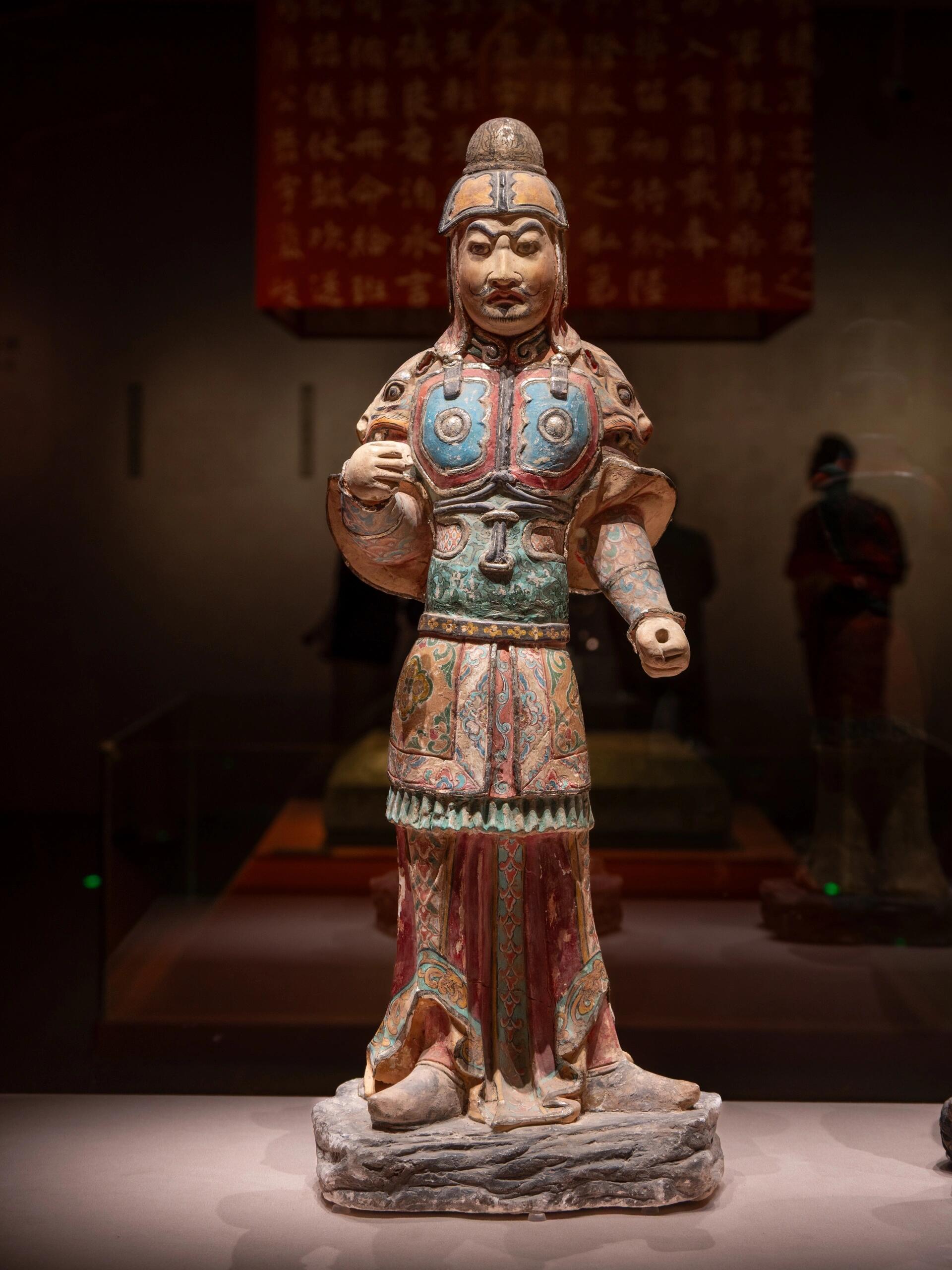
The Tang Dynasty (618–907) is widely regarded as one of the most powerful and prosperous periods in Chinese history. Its long-lasting stability and cultural flourishing were strongly supported by a highly developed political system. This system was characterized by an efficient administrative structure, a well-organized bureaucracy, a comprehensive legal code, and a relatively fair imperial examination system.
Administrative System of the Tang Dynasty
The Tang government established a hierarchical administrative system to govern its vast territory. At the highest regional level, the empire was divided into Dao (circuits). During the early Zhenguan period, there were ten Dao, which later expanded to fifteen during the prosperous Kaiyuan era.
Below the Dao were Zhou or Fu (prefectures), followed by Xian (counties). At the grassroots level, the population was organized into townships, villages, and household groups. This multi-layered structure enabled the central government to maintain effective control over local administration while ensuring smooth implementation of imperial policies.
Official System and Bureaucracy
The Tang Dynasty inherited and refined the Three Departments and Six Ministries system from the Sui Dynasty. At the central level, the government was divided into the Secretariat, the Chancellery, and the Department of State Affairs, which worked together to draft, review, and execute state policies.
The Six Ministries—Personnel, Revenue, Rites, Defense, Justice, and Works—were responsible for the daily administration of the empire. Local officials were appointed in accordance with the administrative divisions, creating a unified and efficient bureaucratic system that strengthened central authority while improving governance at the local level.
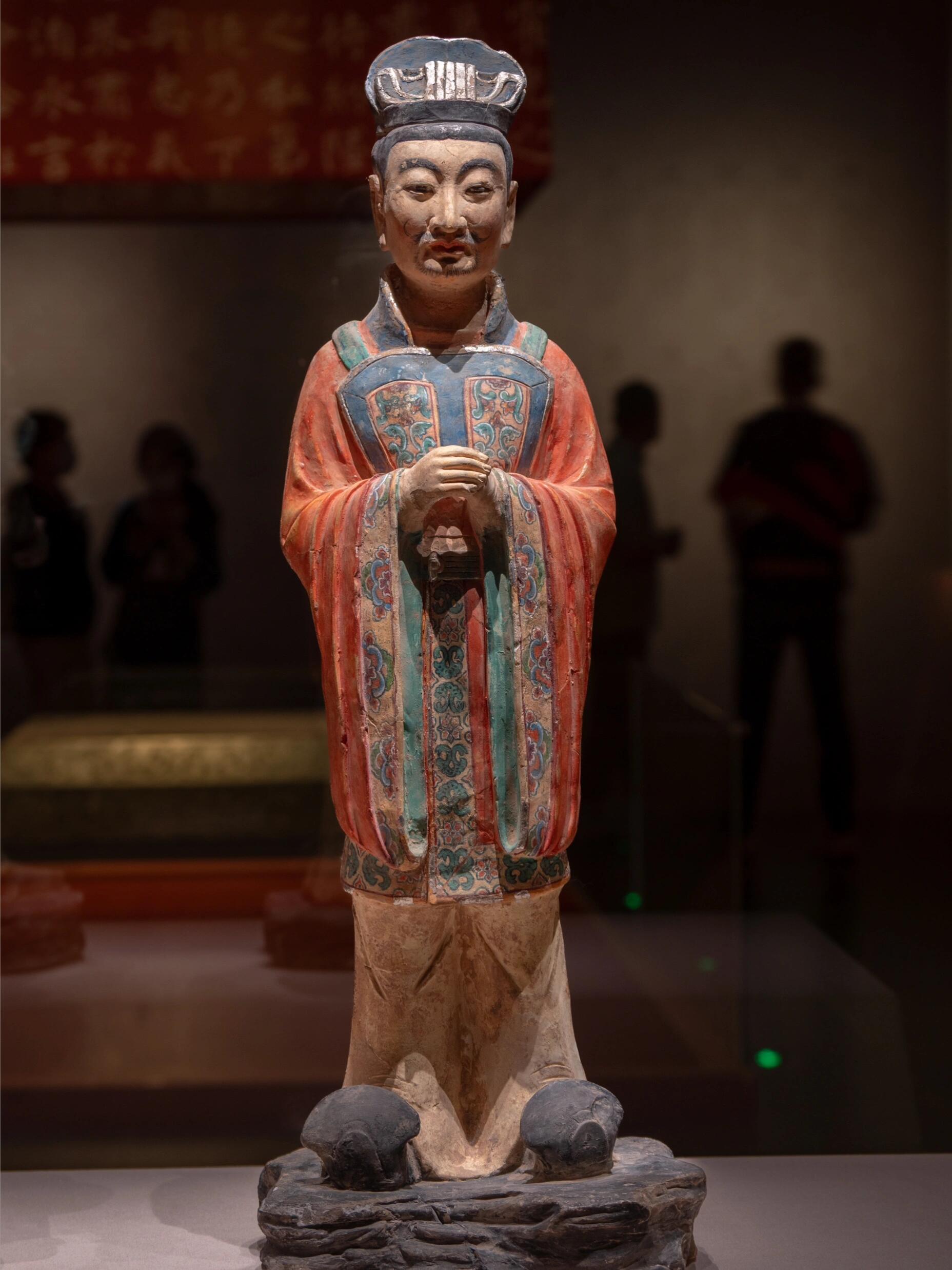
Legal System of the Tang Dynasty
Among all imperial dynasties, the Tang Dynasty developed one of the most systematic and influential legal frameworks in Chinese history. The Tang legal system consisted of four main components: Lu (criminal law), Ling (administrative regulations), Ge (supplementary rules), and Shi (official document formats).
The Tang Code (Tang Lü Shu Yi), compiled during Emperor Gaozong’s reign, became a model for later Chinese dynasties and neighboring East Asian states. It emphasized both strict law enforcement and moral governance. Emperor Taizong, in particular, valued wise counsel and humane justice, helping to establish a stable and orderly society.
Imperial Examination System
The imperial examination system of the Tang Dynasty played a crucial role in selecting government officials. It gradually replaced hereditary privilege with merit-based selection, offering talented individuals from humble backgrounds an opportunity to enter public service.
Major examination subjects included Jinshi, Mingjing, Mingfa, and Mingyu. The highest-level examination, known as the Shengshi, was held annually in the capital city of Chang’an (modern Xi’an). Successful candidates were eligible for official appointments, reinforcing the professionalism and loyalty of the Tang bureaucracy.
Historical Significance
Overall, the political system of the Tang Dynasty combined centralized authority with institutional balance, legal clarity, and social mobility. This well-structured system not only ensured effective governance but also contributed to the empire’s remarkable longevity and cultural influence, leaving a lasting legacy in Chinese and East Asian political history.