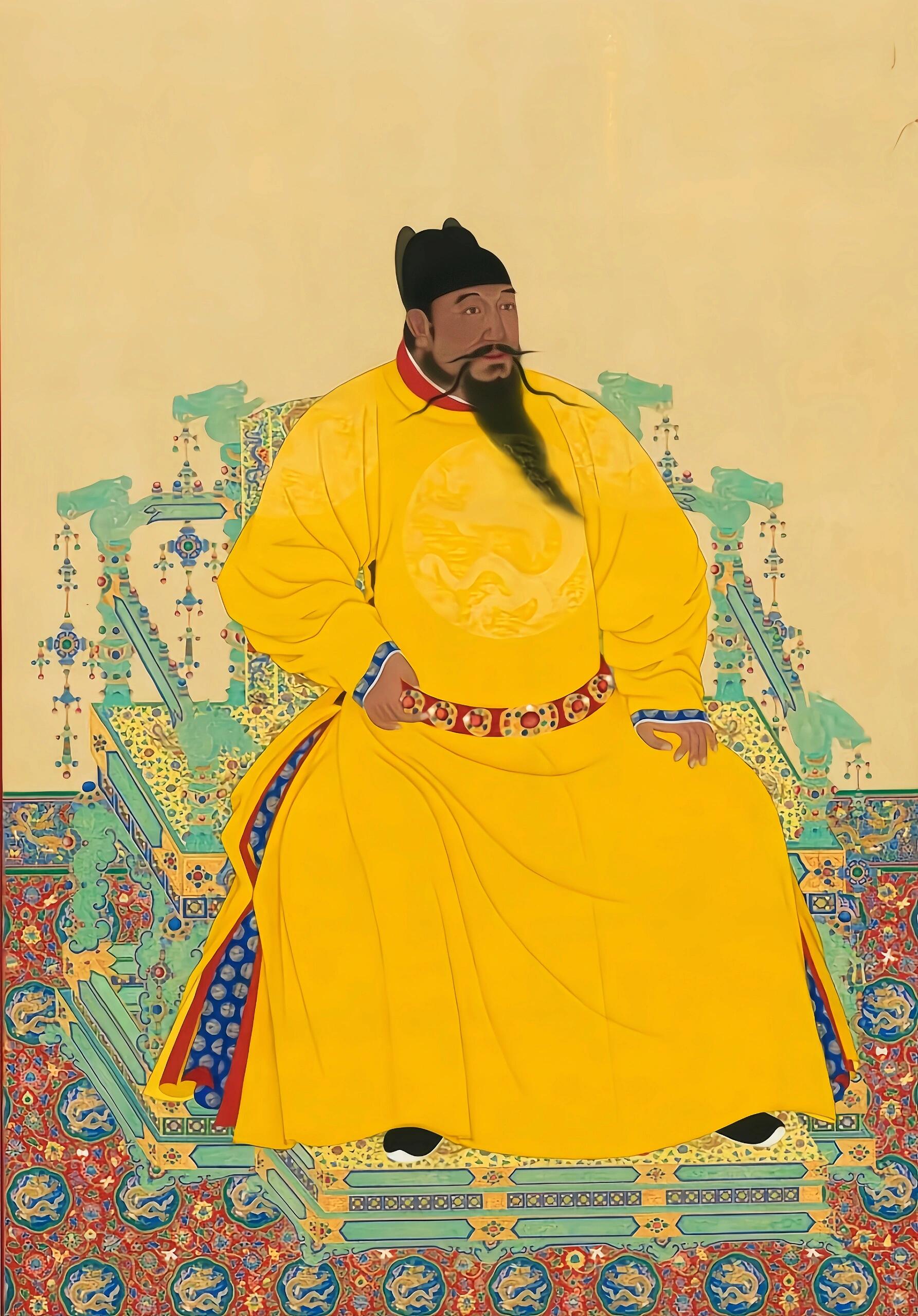
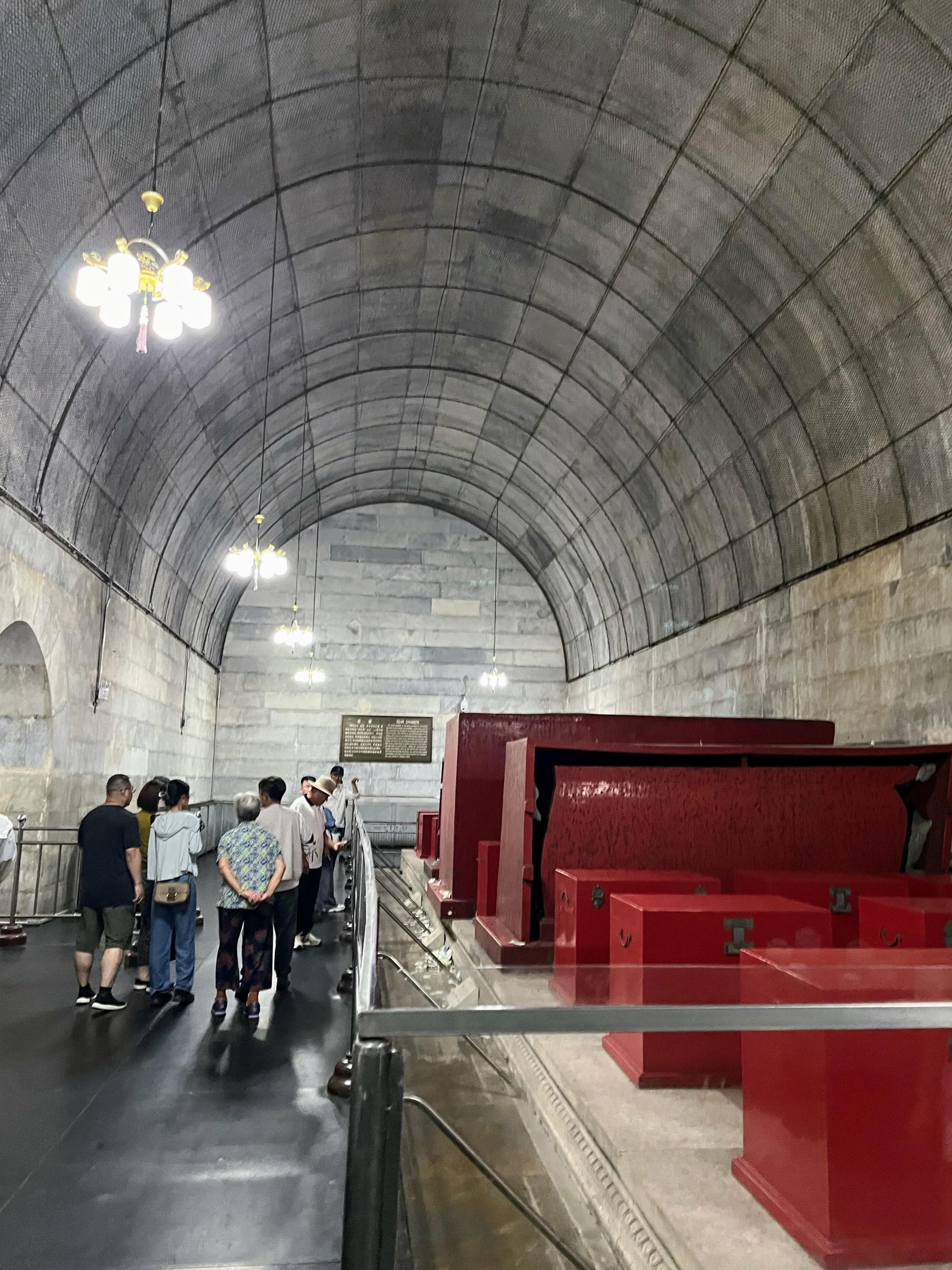
The Ming Dynasty was founded in 1368 after the collapse of the Mongol-led Yuan Dynasty. Its founder, Zhu Yuanzhang, came from a poor peasant background and rose to power through a series of uprisings and military campaigns. He proclaimed himself emperor in Nanjing and became known as Emperor Hongwu.
In the same year, Ming forces captured Dadu (modern-day Beijing), officially ending Yuan rule and restoring Han Chinese governance over China
The Early Prosperity of the Ming Dynasty
During the early years of the dynasty, Emperor Hongwu introduced policies aimed at reducing peasants’ burdens, restoring agricultural production, and strengthening central authority. Strict measures were taken to combat corruption and reinforce imperial control.
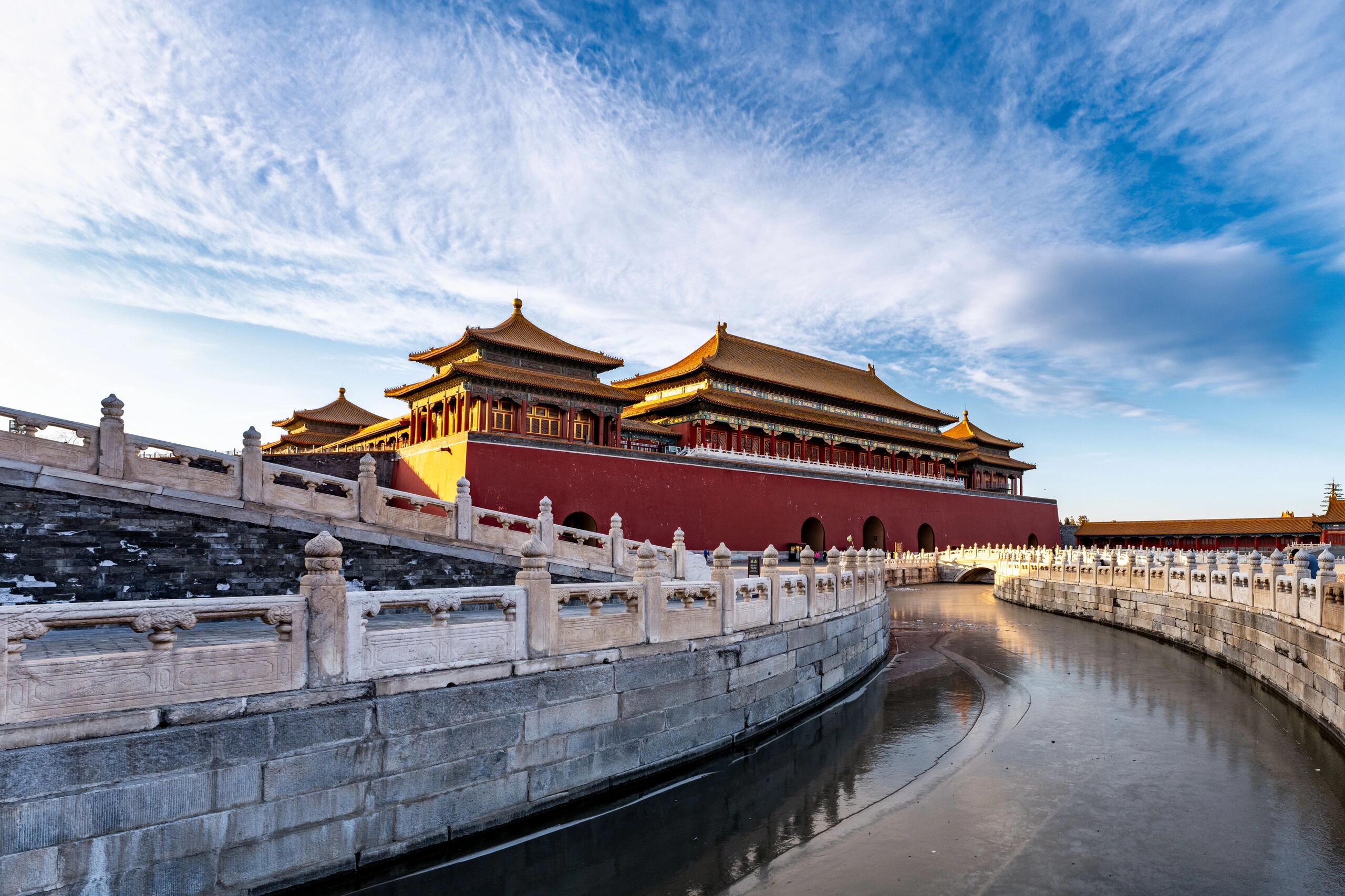
The Ming Dynasty reached its height under Emperor Yongle (Zhu Di). He ordered the construction of the Forbidden City and moved the capital from Nanjing to Beijing in 1421. Between 1405 and 1433, the famous maritime expeditions led by Zheng He expanded China’s influence across Southeast Asia, South Asia, and the Indian Ocean region.
Decline and Fall of the Ming Dynasty
From the late 16th century onward, the Ming Dynasty gradually declined due to political corruption, eunuch dominance, fiscal pressure, and frequent natural disasters. Although reforms under the statesman Zhang Juzheng temporarily strengthened the state, the situation deteriorated after his death.
In the early 17th century, widespread peasant uprisings broke out across northern China. In 1644, rebel leader Li Zicheng captured Beijing. The last Ming emperor, Chongzhen, committed suicide, marking the end of the Ming Dynasty.
Economy and Urban Development
The Ming Dynasty experienced significant growth in agriculture and handicraft industries, especially in southern China. Porcelain production reached an unprecedented level, with Jingdezhen becoming the imperial kiln and a global center of ceramic manufacturing.
The expansion of commerce promoted urbanization, leading to the rise of major commercial cities such as Beijing, Nanjing, Suzhou, Guangzhou, and Xi’an. However, later restrictions on trade and maritime activity limited further economic development.
Culture, Literature, and Science
The Ming period is regarded as a golden age of Chinese literature. Three of the Four Great Classical Novels—Journey to the West, Romance of the Three Kingdoms, and Outlaws of the Marsh—were written during this era.
In philosophy, Wang Yangming’s “School of the Mind” influenced intellectual thought and social values. Scientific achievements were also remarkable, including Compendium of Materia Medica by Li Shizhen and The Exploitation of the Works of Nature by Song Yingxing, both of which remain valuable references today.
Architectural and Artistic Legacy
The Ming Dynasty left a lasting architectural and artistic legacy. Iconic structures such as the Forbidden City and the Ming sections of the Great Wall continue to symbolize traditional Chinese craftsmanship and imperial power.
Ming porcelain, especially blue-and-white ceramics, became highly influential worldwide and remains one of the most recognizable forms of Chinese art today.