China’s tourism industry did not develop overnight. Understanding its real historical evolution helps travelers distinguish between genuinely experienced tour operators and those exaggerating their background. This guide outlines the key stages of China tourism development and explains how to verify the true history of a China travel agency.
Travel Activities in Ancient China (Before the 20th Century)
In ancient China, travel was rarely associated with leisure or vacation. Most journeys were made for trade, diplomacy, education, or cultural exchange. Famous routes such as the Silk Road, Spice Road, and Salt Road connected regions and facilitated commerce.
Although travel gradually became a form of entertainment, before the 20th century it remained a privilege of royal families and the upper classes. Leisure tourism as we know it today simply did not exist.
Early 20th Century: Birth of the First Travel Agency (1923–1949)
The origin of modern travel agencies in China can be traced back to 1923, when a travel department was established in Shanghai to provide ticket booking services for trains and ships.
In 1927, it became an independent entity, marking the emergence of China’s first modern travel agency.
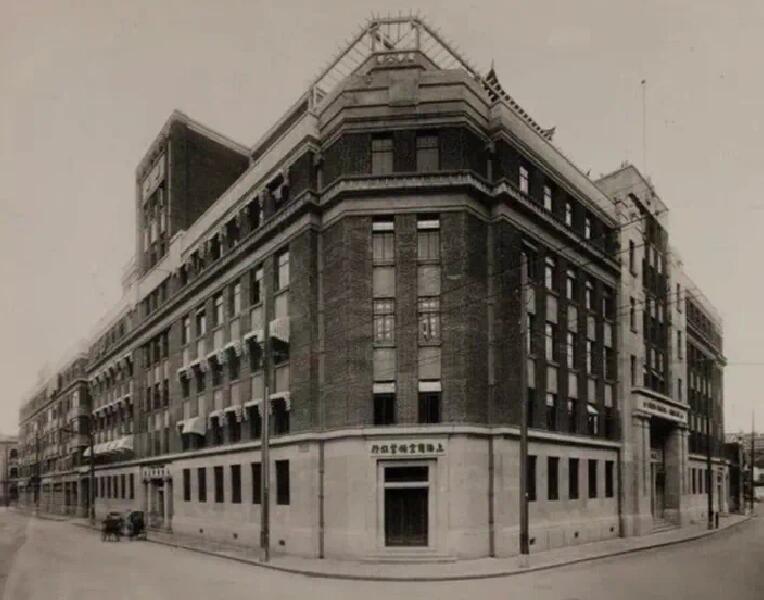
Due to wars and social instability, many early travel organizations disappeared, and large-scale tourism failed to take shape during this period.
Tourism for Foreign Affairs Only (1949–1978)
After the founding of the People’s Republic of China in 1949, tourism was strictly limited to official and diplomatic reception. Several state-run institutions were established to manage foreign affairs visits, including China Travel Service and China International Travel Service.
During these three decades:
- Tourism was entirely government-led
- Inbound travel was restricted
- Ordinary foreign visitors were not allowed to travel freely
There was no open inbound tourism market during this time.
The Real Beginning of China’s Tourism Industry (1978–1997)
China’s modern tourism industry officially began in 1978 with the implementation of the Reform and Opening-Up policy. Inbound travel was gradually opened to ordinary foreign visitors, and domestic tourism also started to grow.
Although many travel agencies emerged, inbound tourism during the 1980s and early 1990s was still dominated by state-owned enterprises and their branches.
The introduction of the Travel Agency Management Regulations in 1996 marked a major step toward market liberalization. By 1997, thousands of travel agencies were operating nationwide, yet inbound travel still followed a B2B model, resulting in long booking procedures and relatively high costs for foreign travelers.
Rise of Online Tour Operators (1997–2010)
With the rapid development of the internet, online travel services began to appear in China around 1997. Travel agencies started building websites, allowing international travelers to contact local China tour operators directly.
This innovation:
- Eliminated unnecessary intermediaries
- Reduced travel costs
- Increased transparency and efficiency
Outbound tourism also expanded rapidly, and China became one of Asia’s largest tourist source markets. By 2010, tourism had grown into a key pillar of China’s economy.
Mobile Booking & Smart Travel Era (2010–Present)
Since 2010, China has entered a period of accelerated tourism growth:
- The number of travel agencies continues to rise
- Online booking penetration increases every year
- Mobile devices now dominate travel reservations
Technologies such as artificial intelligence, big data, and digital platforms are reshaping how China travel agencies operate and how travelers plan their trips.
How to Identify the True History of a China Tour Operator
With many travel agency websites claiming a “long history,” travelers should apply the following methods to verify credibility and avoid misleading information.