
The Han Dynasty was one of the most influential and long-lasting dynasties in Chinese history, playing a decisive role in shaping ancient China’s political system, culture, and national identity.
In 207 BC, Liu Bang led his army to defeat the Qin forces at Julu, and in the following year he captured Xianyang, the capital of the Qin Dynasty. After overcoming his rival Xiang Yu, Liu Bang officially founded the Han Dynasty in 206 BC. By 202 BC, Chang’an (present-day Xi’an) was established as the imperial capital, marking the beginning of a new era.
Historically, the Han Dynasty is divided into two periods: the Western Han (206 BC – 24 AD) and the Eastern Han (25 – 220 AD). During more than four centuries of rule, over twenty emperors ascended the throne. Among them, Emperor Gaozu (Liu Bang), Emperor Wen, Emperor Jing, and Emperor Wu are especially remembered for strengthening the empire and bringing long-term stability.
Under capable and forward-thinking rulers, the Han Dynasty enjoyed extended periods of peace and prosperity. Agriculture, handicrafts, and commerce developed rapidly, while Confucianism was established as the core governing philosophy. This ideological foundation profoundly influenced Chinese society for centuries to come.
One of the most remarkable achievements of the Han Dynasty was the opening of the Silk Road, initiated by Zhang Qian’s diplomatic missions to the Western Regions. This trade network connected China with Central Asia and Europe, promoting cultural exchange and economic growth. Advances in literature, art, science, and technology during this era continue to influence Chinese civilization today.
Because of its lasting legacy, the Han Dynasty is often regarded as a golden age in Chinese history. Even today, terms such as “Han people” and “Chinese characters (Han characters)” reflect the enduring impact of this remarkable dynasty.
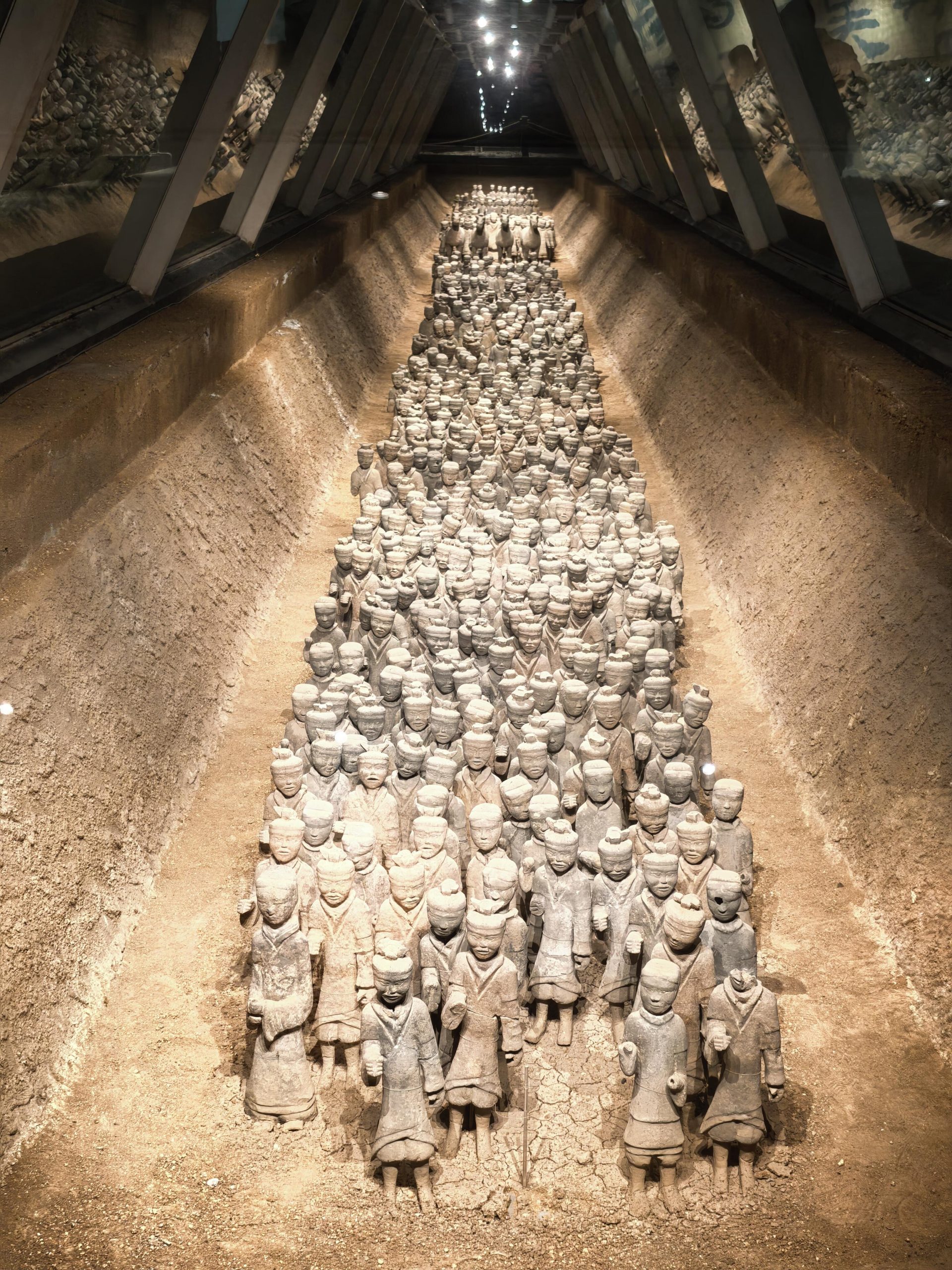
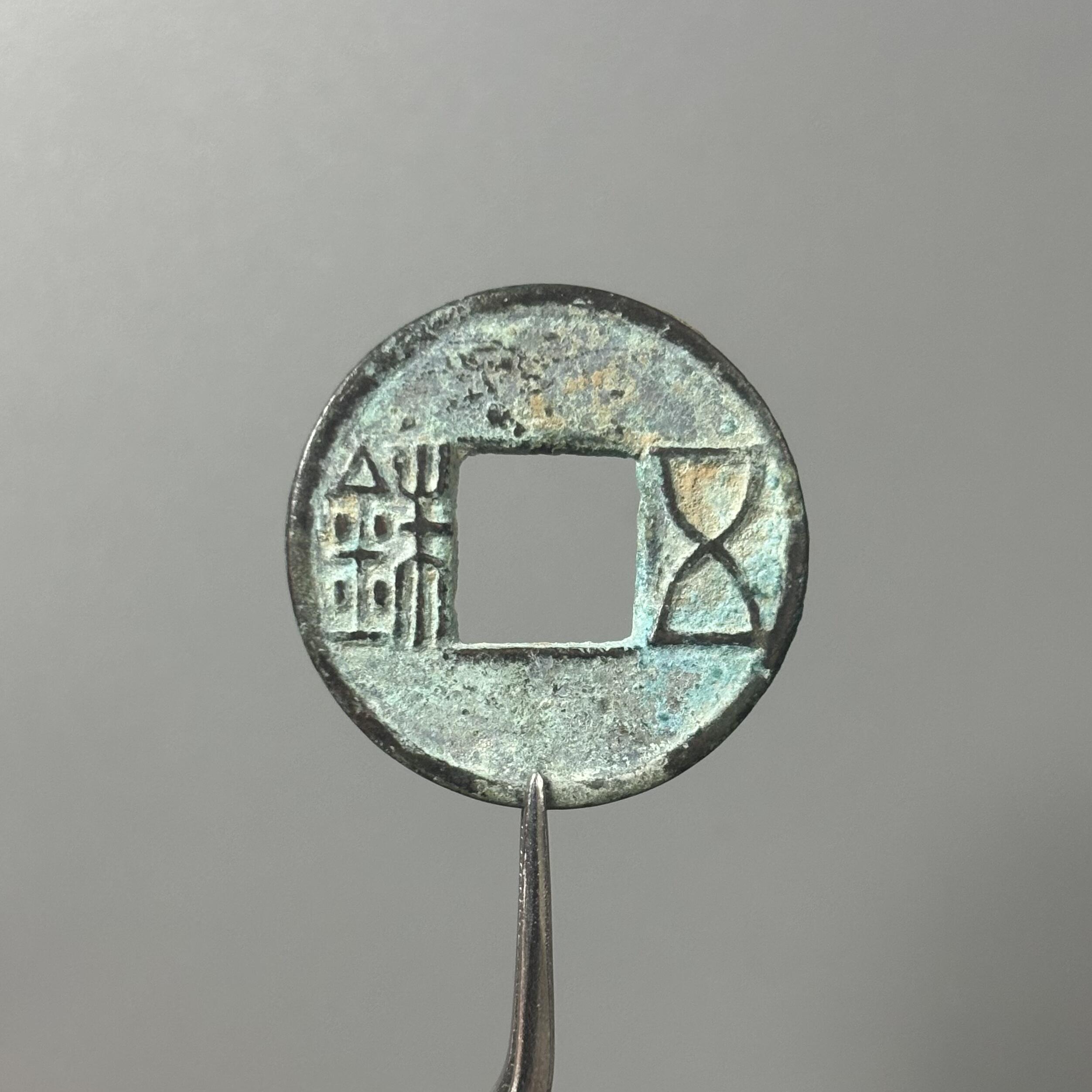
Emperors of the Han Dynasty
| Order | Emperor | Brief Description | Reign |
|---|---|---|---|
Western Han Dynasty (206 BC – 8 AD) |
|||
| 1 | Emperor Gaozu (Liu Bang) | Founder of the Han Dynasty. Born into a peasant family, he led rebellions against the Qin Dynasty, defeated his rival Xiang Yu, and established the Western Han. |
206–195 BC |
| 2 | Emperor Hui (Liu Ying) | Son of Liu Bang. Political power was largely controlled by his mother, Empress Lü, due to his weak leadership. | 195–188 BC |
| 3 | Empress Lü (Lü Zhi) | Wife of Liu Bang. Though not officially emperor, she dominated the court and ruled through successive child emperors. | 188–180 BC |
| 4 | Emperor Wen (Liu Heng) | Known for light taxation, frugality, and promoting agricultural production. His reign brought social stability and recovery. | 180–157 BC |
| 5 | Emperor Jing (Liu Qi) | Continued Emperor Wen’s policies and suppressed internal rebellions, further strengthening central authority. | 157–141 BC |
| 6 | Emperor Wu (Liu Che) | One of the greatest Han emperors. Expanded territory, defeated the Xiongnu, strengthened Confucianism, and opened the Silk Road. | 141–87 BC |
| 7 | Emperor Zhao (Liu Fuling) | Reduced burdens on peasants and maintained relative peace with the Xiongnu. | 87–74 BC |
| 8 | Emperor Xuan (Liu Xun) | Strengthened Confucian governance and reduced taxes, restoring stability after earlier turmoil. | 74–49 BC |
| 9 | Emperor Yuan (Liu Shi) | Marked the beginning of Western Han decline due to weakening imperial authority. | 49–33 BC |
| 10 | Emperor Cheng (Liu Ao) | His indulgent rule weakened the state and accelerated decline. | 33–7 BC |
| 11 | Emperor Ai (Liu Xin) | Relied on superstition rather than reform, allowing Wang Mang to seize real power. | 7–1 BC |
| 12 | Emperor Ping (Liu Kan) | A puppet ruler controlled by Wang Mang, later poisoned to death. | 1 BC–5 AD |
| 13 | Ruzi Ying (Liu Ying) | Ascended the throne as a child; later deposed and killed after Wang Mang seized power. | 6–8 AD |
| Xin Dynasty (9–23 AD) | |||
| 14 | Wang Mang | Usurped the Han throne and founded the Xin Dynasty. His radical reforms caused chaos and led to rebellion. | 9–23 AD |
| Eastern Han Dynasty (25–220 AD) | |||
| 15 | Emperor Guangwu (Liu Xiu) | Restored the Han Dynasty, defeated Wang Mang’s forces, and made Luoyang the capital. | 25–57 |
| 16 | Emperor Ming (Liu Zhuang) | Promoted Buddhism; ordered the construction of the White Horse Temple. | 57–75 |
| 17 | Emperor Zhang (Liu Da) | Encouraged Confucian education and was skilled in calligraphy. | 75–88 |
| 18 | Emperor He (Liu Zhao) | Continued stable governance during the mid–Eastern Han period. | 88–105 |
| 19 | Emperor Shang (Liu Long) | Ruled briefly as a child emperor. | 105–106 |
| 20 | Emperor An (Liu Hu) | Social inequality increased, and political corruption worsened. | 106–125 |
| 21 | Emperor Shun (Liu Bao) | Eunuchs gained significant political power during his reign. | 125–144 |
| 22 | Emperor Chong (Liu Bing) | Child emperor with a very short reign. | 144–145 |
| 23 | Emperor Zhi (Liu Zuan) | Ruled briefly amid political instability. | 145–146 |
| 24 | Emperor Huan (Liu Zhi) | Continued decline of imperial authority and court corruption. | 146–167 |
| 25 | Emperor Ling (Liu Hong) | His misrule intensified social unrest, leading to major rebellions such as the Yellow Turban Uprising. | 168–189 |
| 26 | Emperor Xian (Liu Xie) | Last emperor of the Han Dynasty; abdicated under pressure from warlords, marking the dynasty’s end. | 189–220 |