
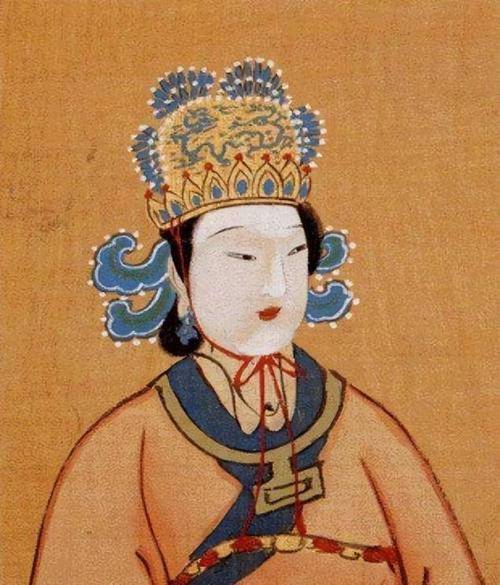
Wu Zetian (624–705) stands as one of the most extraordinary figures in Chinese history. She was the only woman to officially rule China as emperor, exercising supreme power for nearly half a century during the Tang Dynasty. Her reign marked a crucial transition between the prosperous Zhenguan Reign of Emperor Taizong and the Kaiyuan Golden Age of Emperor Xuanzong.
Early Life and Entry into the Imperial Court
Wu Zetian was born in 624 in Wenshui County, present-day Shanxi Province, into a well-educated and influential family. Unlike many women of her time, she received a solid education and showed remarkable intelligence from a young age.
At just 14 years old, she entered the imperial palace as a concubine of Emperor Taizong. Her literary talent and keen insight earned her the rare opportunity to assist in administrative affairs, laying the foundation for her future political career.
Rise to Power: From Concubine to Empress
After Emperor Taizong’s death in 649, Wu Zetian was sent to a Buddhist convent, as tradition required. However, her fate changed dramatically when Emperor Gaozong ascended the throne and recalled her to the palace.
Through political skill and determination, Wu eliminated her rivals and became empress in 655. As Emperor Gaozong grew increasingly ill, she began to handle state affairs directly, effectively ruling the empire behind the scenes.
Becoming Emperor of China
Following Gaozong’s death in 683, Wu Zetian ruled through her sons, Emperor Zhongzong and Emperor Ruizong, while retaining real power herself. In 690, she took an unprecedented step by deposing Emperor Ruizong and proclaiming herself Emperor Zetian, founding the short-lived Zhou Dynasty.
This moment marked the first and only time in Chinese history that a woman ruled as emperor in her own name.
Achievements and Governance
Wu Zetian’s reign brought notable reforms and stability:
- Expanded the imperial examination system, allowing talented individuals from humble backgrounds to enter government
- Strengthened agriculture by rewarding effective local officials
- Improved military defense and foreign relations, reopening key sections of the Silk Road
- Promoted meritocracy and centralized authority
Under her rule, the economy prospered and social order remained largely stable.
Controversies and Historical Debate
Despite her accomplishments, Wu Zetian remains one of the most controversial rulers in Chinese history. She relied heavily on secret police, harsh punishments, and political purges. Traditional historians criticized her for cruelty and ruthlessness, especially regarding palace intrigues and family tragedies.
Modern scholars, however, increasingly view her as a capable and visionary ruler constrained by the brutal political realities of imperial China.
Controversies and Historical Debate
Despite her accomplishments, Wu Zetian remains one of the most controversial rulers in Chinese history. She relied heavily on secret police, harsh punishments, and political purges. Traditional historians criticized her for cruelty and ruthlessness, especially regarding palace intrigues and family tragedies.
Modern scholars, however, increasingly view her as a capable and visionary ruler constrained by the brutal political realities of imperial China.
Abdication and Legacy
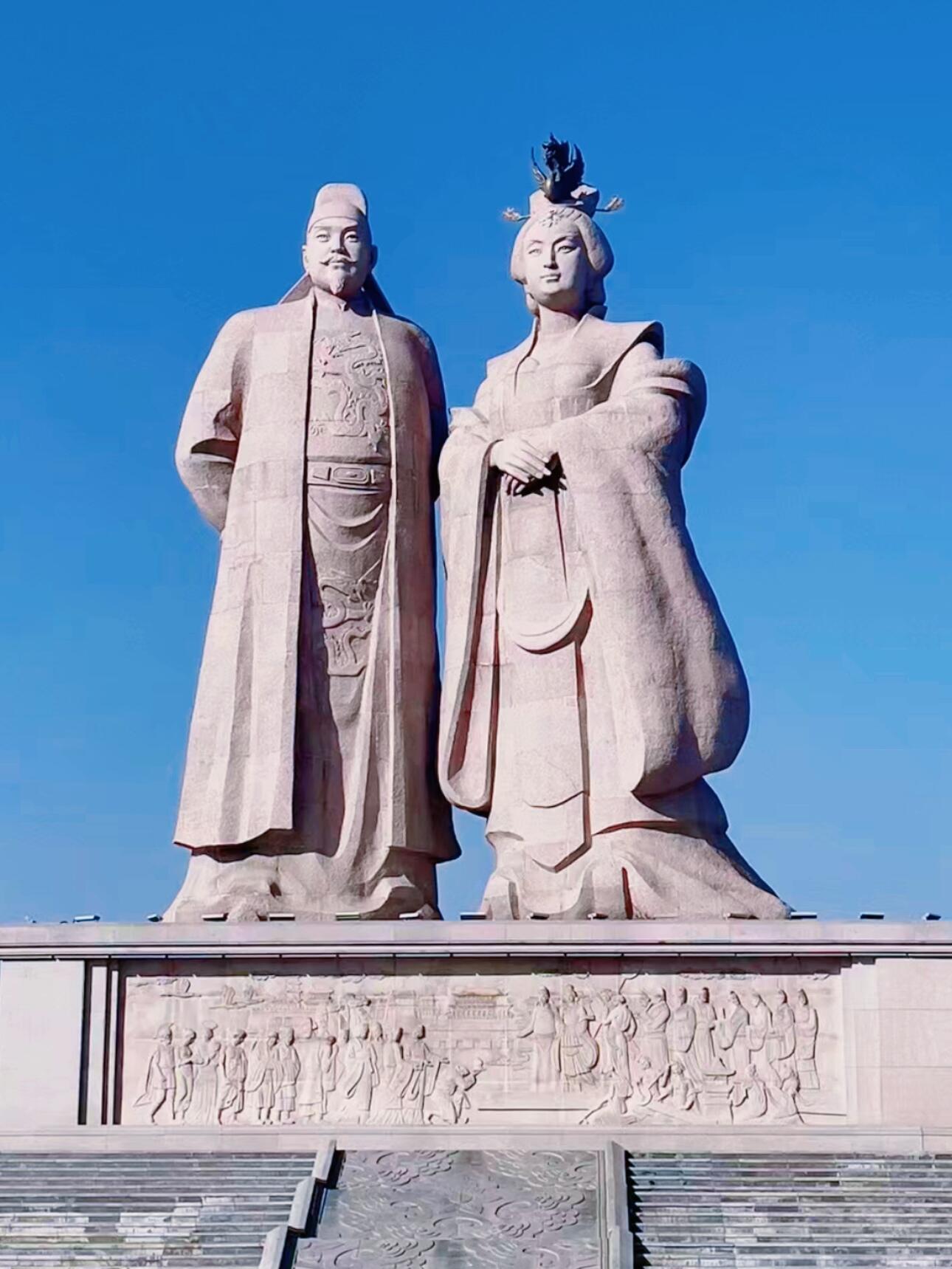
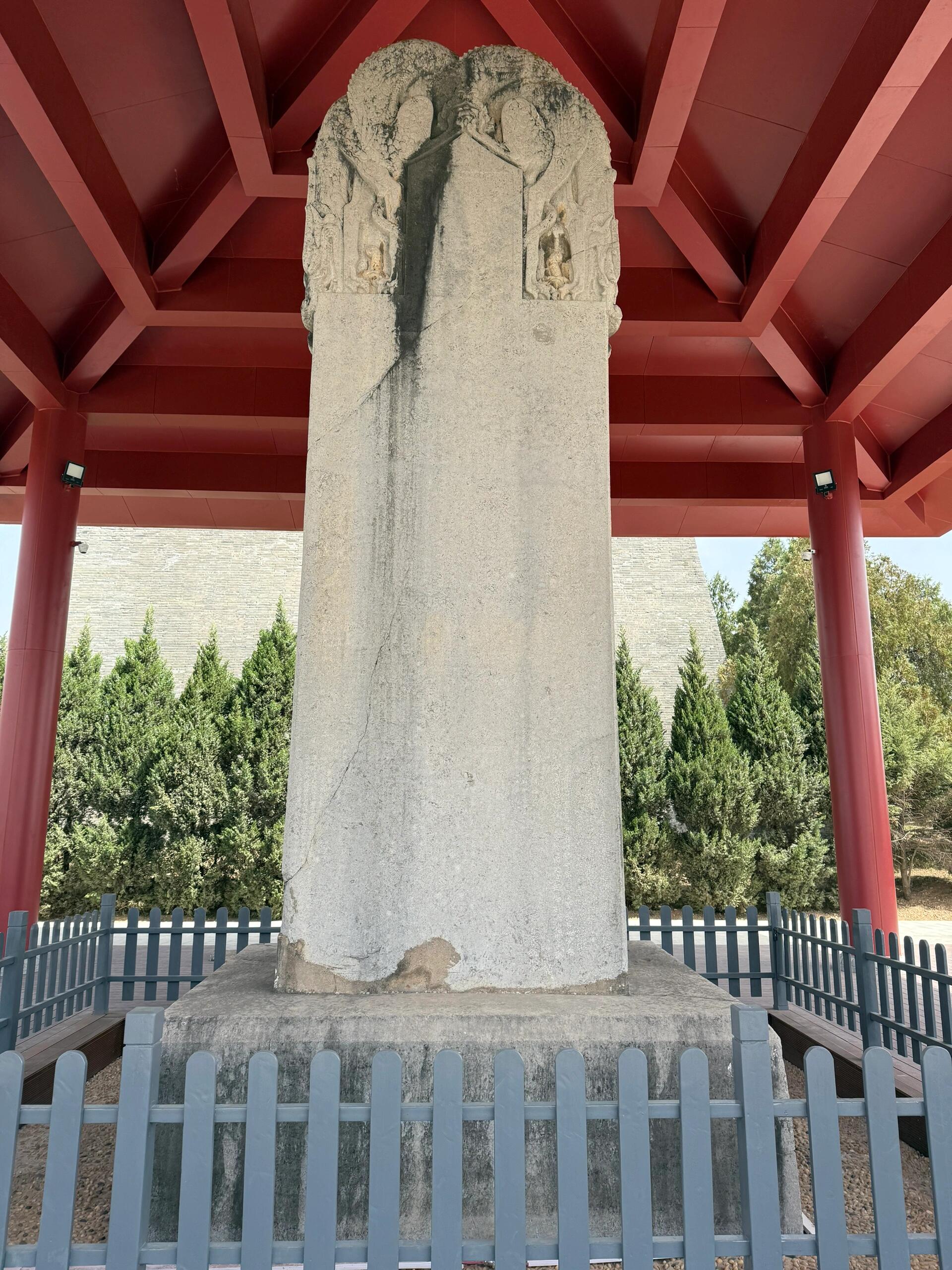
In 705, gravely ill and under pressure from court officials, Wu Zetian abdicated in favor of Emperor Zhongzong. She passed away later that year and was buried alongside Emperor Gaozong in the famous Qianling Mausoleum.
Today, Wu Zetian is remembered not only as China’s only female emperor, but also as a powerful symbol of political intelligence, ambition, and female leadership in a male-dominated world.