China is becoming increasingly friendly to travelers with disabilities. In recent years, barrier-free facilities and accessibility services have improved significantly in major cities, transportation hubs, airports, hotels, and public buildings.
If you are a traveler with physical, visual, or hearing impairments, proper planning and preparation can make your trip to China both comfortable and rewarding. With the right assistance tools, thoughtful arrangements, and realistic expectations, accessible travel in China is not only possible—but enjoyable.
Below are practical tips to help disabled travelers plan a smoother and safer journey in China.
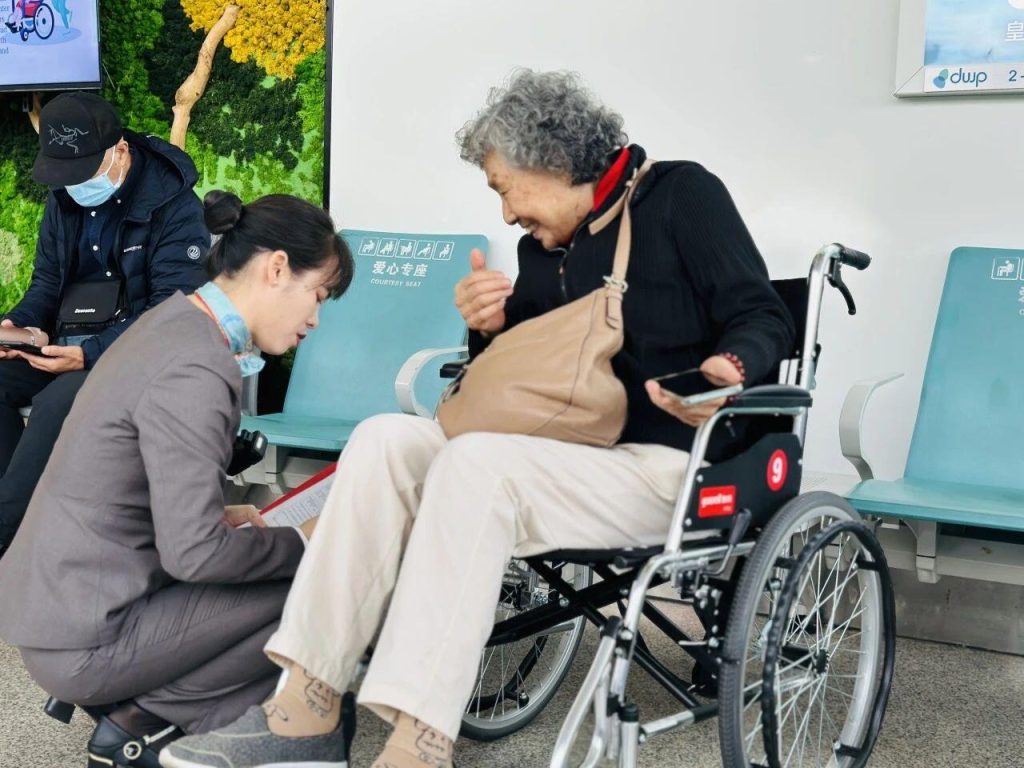
Understand Your Physical Abilities
Before traveling, honestly assess your physical condition and mobility level. If possible, improve your stamina and flexibility through light training or rehabilitation exercises prior to departure.
Get a Full Medical Check-Up
Schedule a thorough medical examination before your trip. Discuss your travel plans with your doctor and ask for professional advice on long-distance travel, climate changes, and daily activity levels.
Carry Emergency Medical Contact Information
Always keep your doctor’s name and phone number with you in case of emergencies. This information can be extremely helpful if medical assistance is required abroad.
Research Accessible Facilities at Your Destination
China’s barrier-free environment is developing rapidly, especially in large cities such as Beijing, Shanghai, and Guangzhou. Accessibility standards may differ from those in your home country, so researching transportation systems, hotels, and tourist attractions in advance is essential.
Bring Necessary Mobility and Assistive Equipment
Depending on your needs, bring appropriate equipment such as canes, walkers, wheelchairs, hearing aids, or mobility scooters. Spare parts and a small toolkit are recommended for emergency repairs.
Choose Nonstop Flights Whenever Possible
Direct flights reduce the inconvenience and physical strain caused by transfers, baggage handling, and airport navigation.
Confirm Overseas Medical Insurance Coverage
Double-check that your health insurance covers medical expenses incurred overseas, including pre-existing conditions. If necessary, contact your insurance provider for clarification.
Contact Service Providers in Advance
Reach out early to airlines, hotels, cruise companies, railway stations, and airports to confirm what assistance they can provide. Early communication allows them time to make proper arrangements, though additional service fees may apply.
Pack Medication in Both Carry-On and Checked Luggage
Never place all medications in checked baggage. Keep essential medicine in your carry-on bag in case of luggage delays or emergencies.
Arrive at the Airport Earlier Than Usual
Arriving early ensures enough time for check-in, security screening, and special assistance services without stress.
Confirm Wheelchair Policies with Airlines
Aircraft usually allow a limited number of wheelchairs onboard. Contact the airline in advance to confirm availability and boarding assistance policies.
Disclose Your Condition When Booking Through Travel Agencies
If you book through a travel agency or join a group tour, clearly disclose your disability in advance. This allows tour operators, guides, and companions to make suitable arrangements and provide appropriate support throughout your journey.
Final Thoughts
Accessible travel in China is improving year by year. With careful planning, open communication, and realistic expectations, travelers with disabilities can explore China safely and comfortably. Proper preparation is the key to a smooth and enriching travel experience.